
Car Door Bumper Guards: Stop Garage Dings Before They Happen
Most garage door dings are completely preventable with the right bumper guards mounted in the right spots. This guide shows how to set up car door bumper guards on walls, corners, and pillars in under 20 minutes. No tools required, works in any garage size.

Car Door Bumper Guards Fix the One Ding Source Most People Ignore
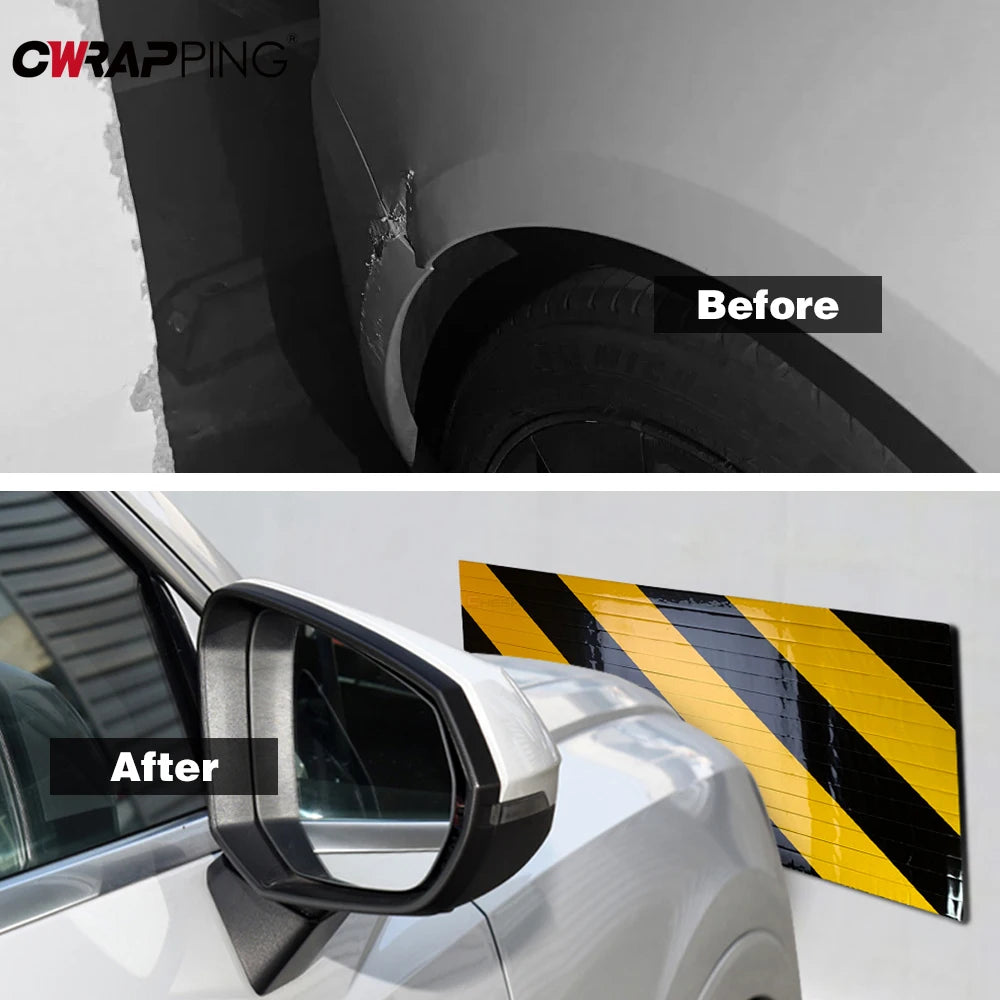
Most drivers protect their car doors from parking lot contact and never think twice about their own garage — but the garage is where the majority of door dings actually happen. Every time a door swings open in a tight space and hits a wall, a pillar, or another car, it leaves a mark. Car door bumper guards mounted at the right height on your garage walls absorb that impact before it reaches the paint, and paired with foam corner guards, they cover every angle a door can swing toward. This guide shows you exactly how to set up a complete garage door ding protection system in under 20 minutes — no tools, no drilling, no prior experience.
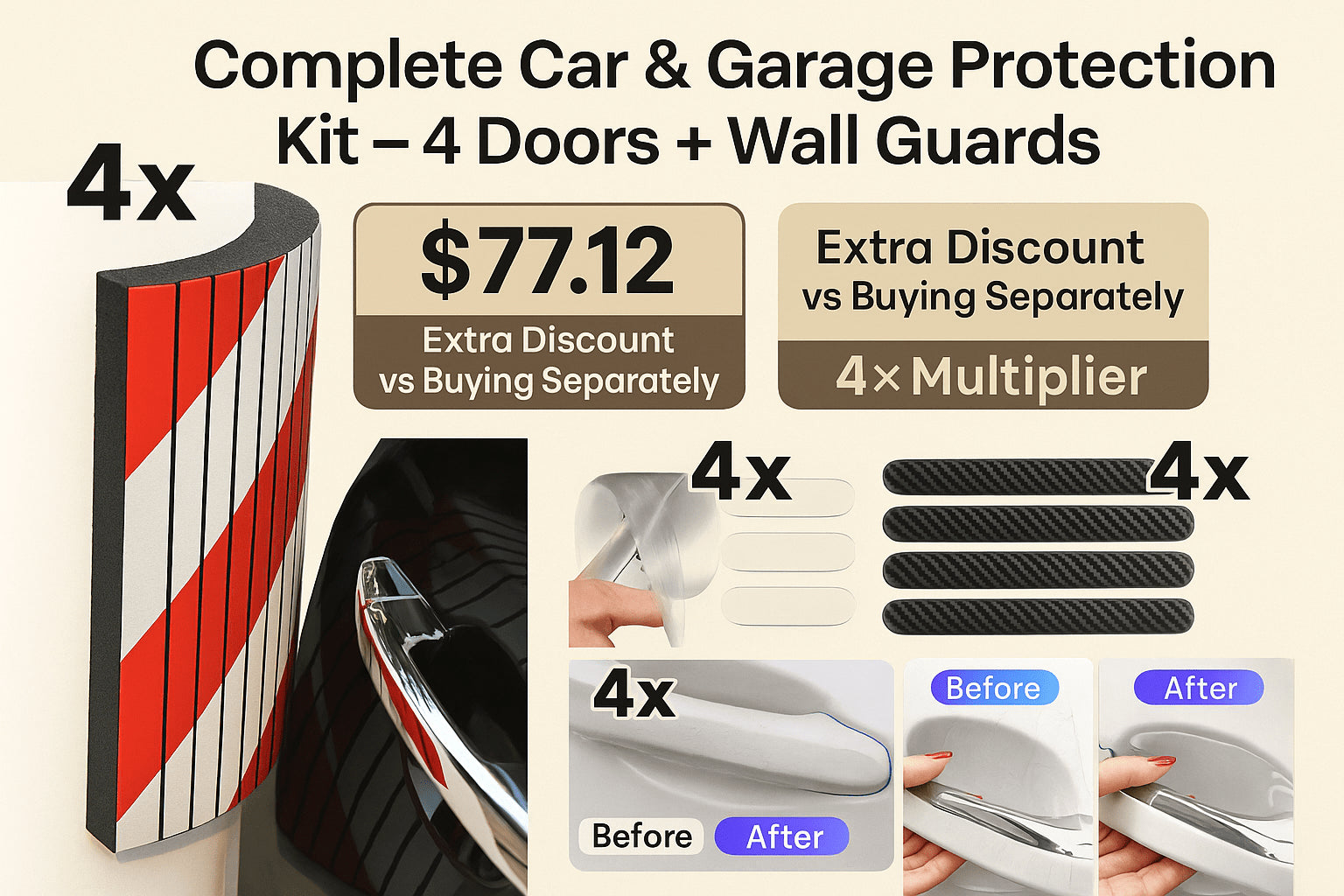
🧰 What the Complete Car & Garage Protection Kit Includes for This Setup
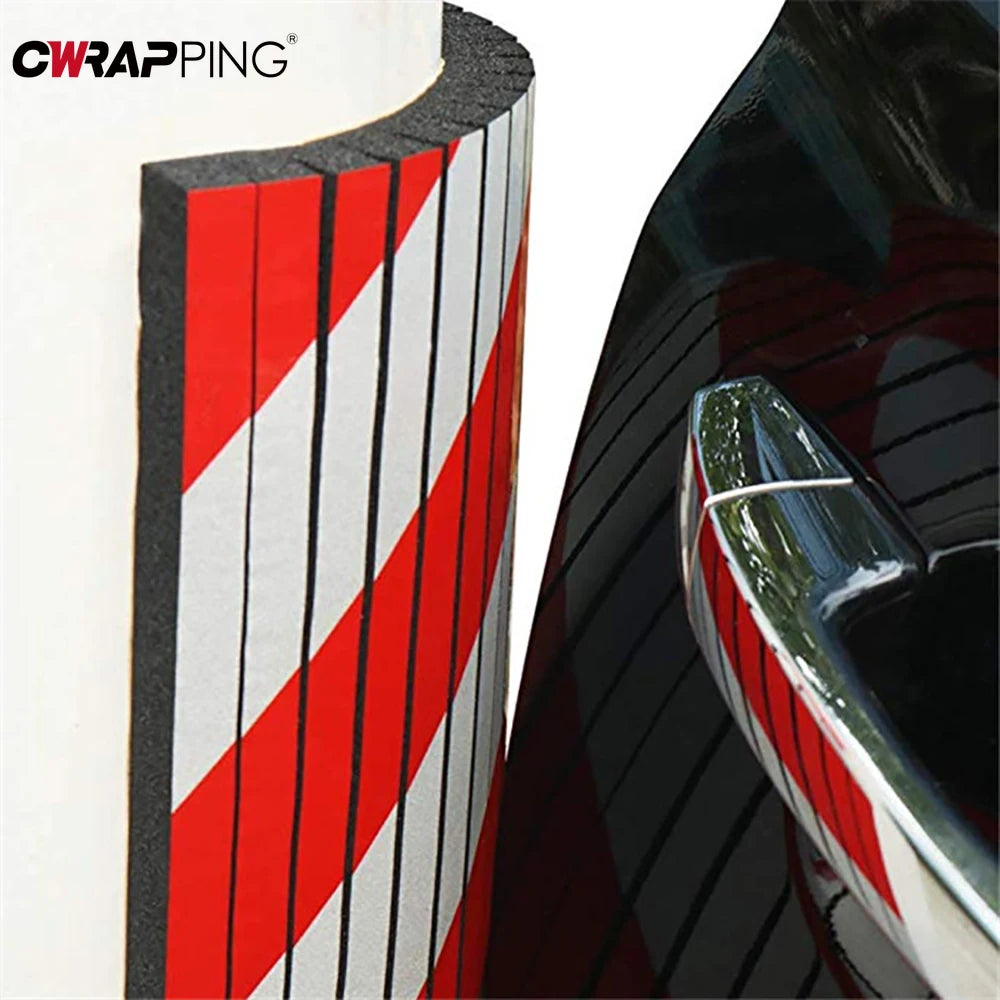
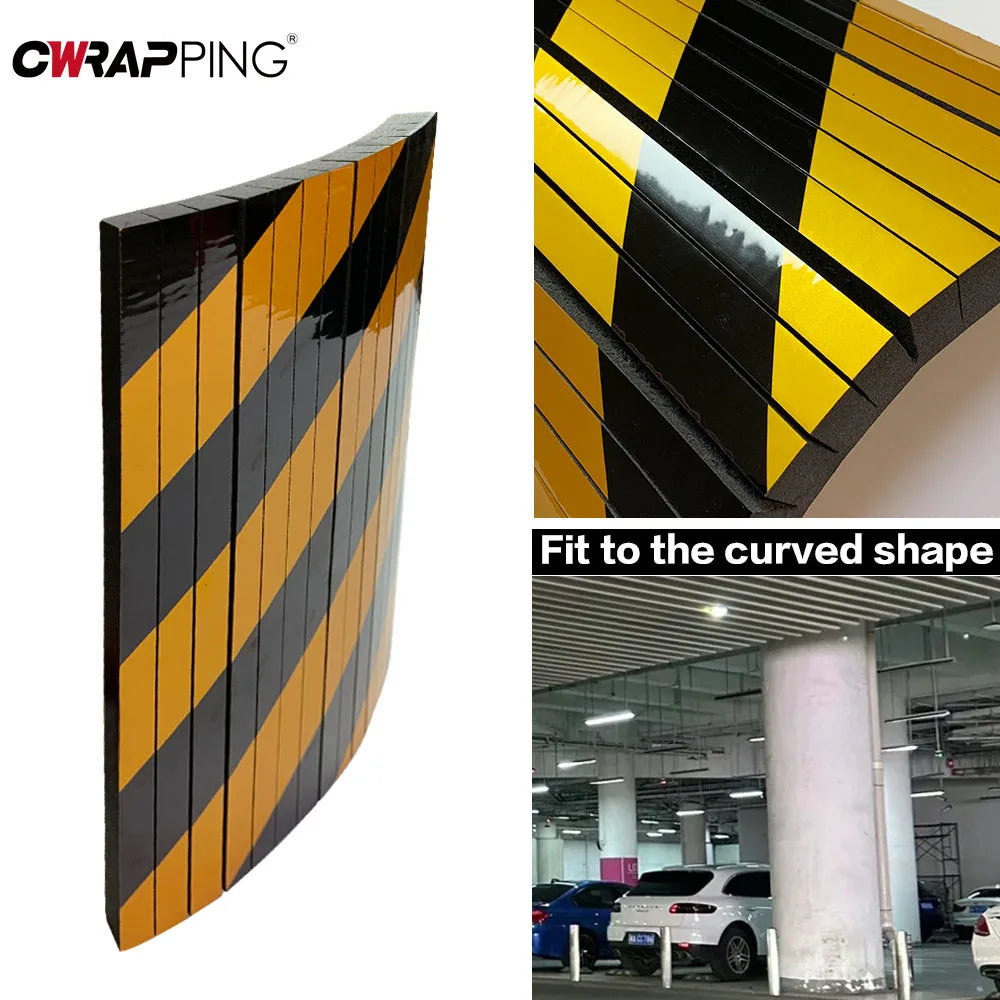
- ✔️ EVA foam garage wall pads (2pcs) — the core of the system, mount at door-swing height to absorb direct wall contact
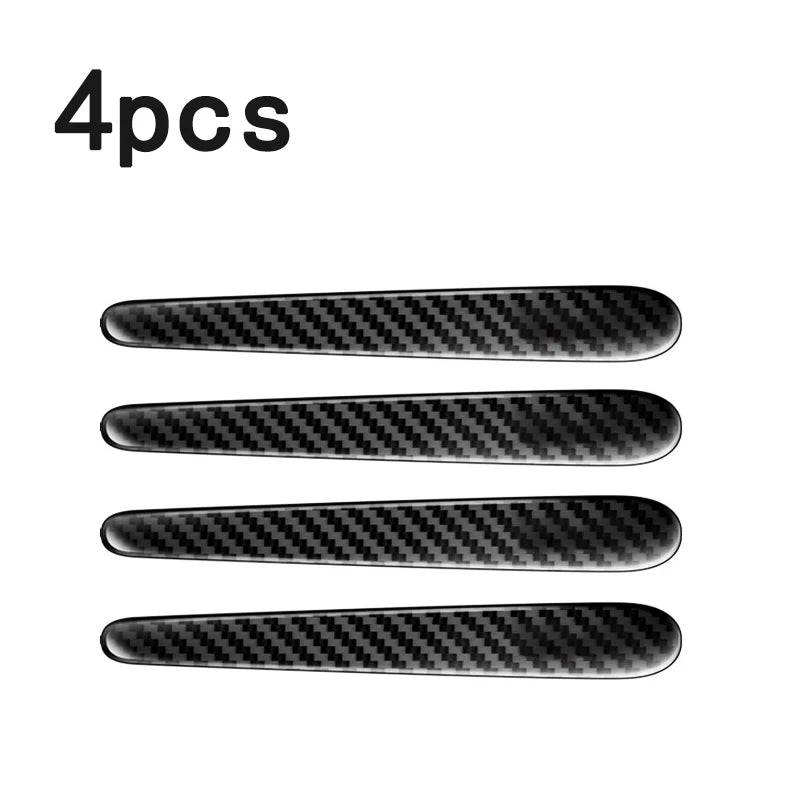
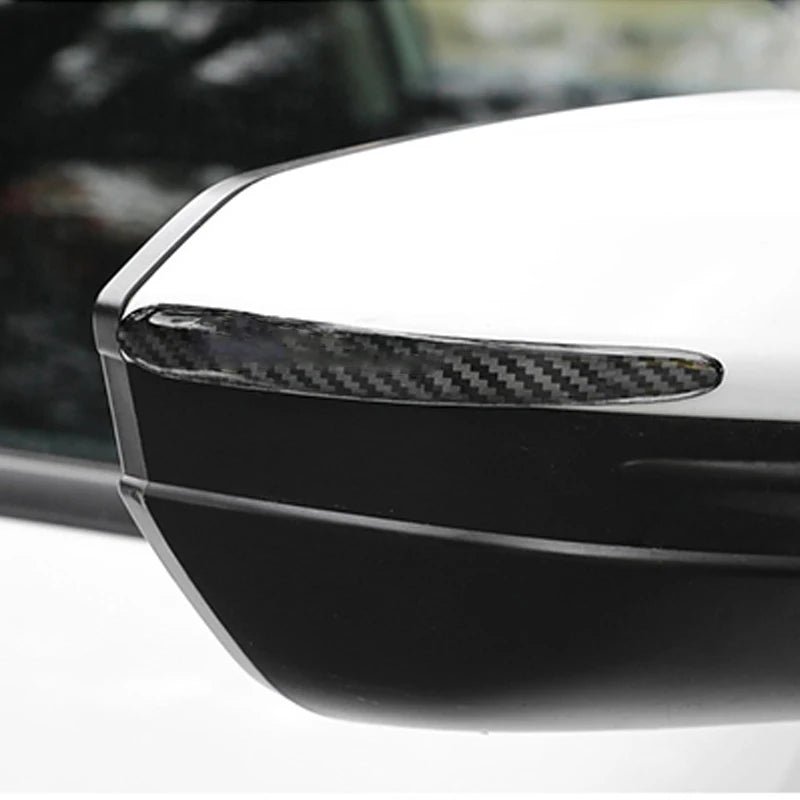
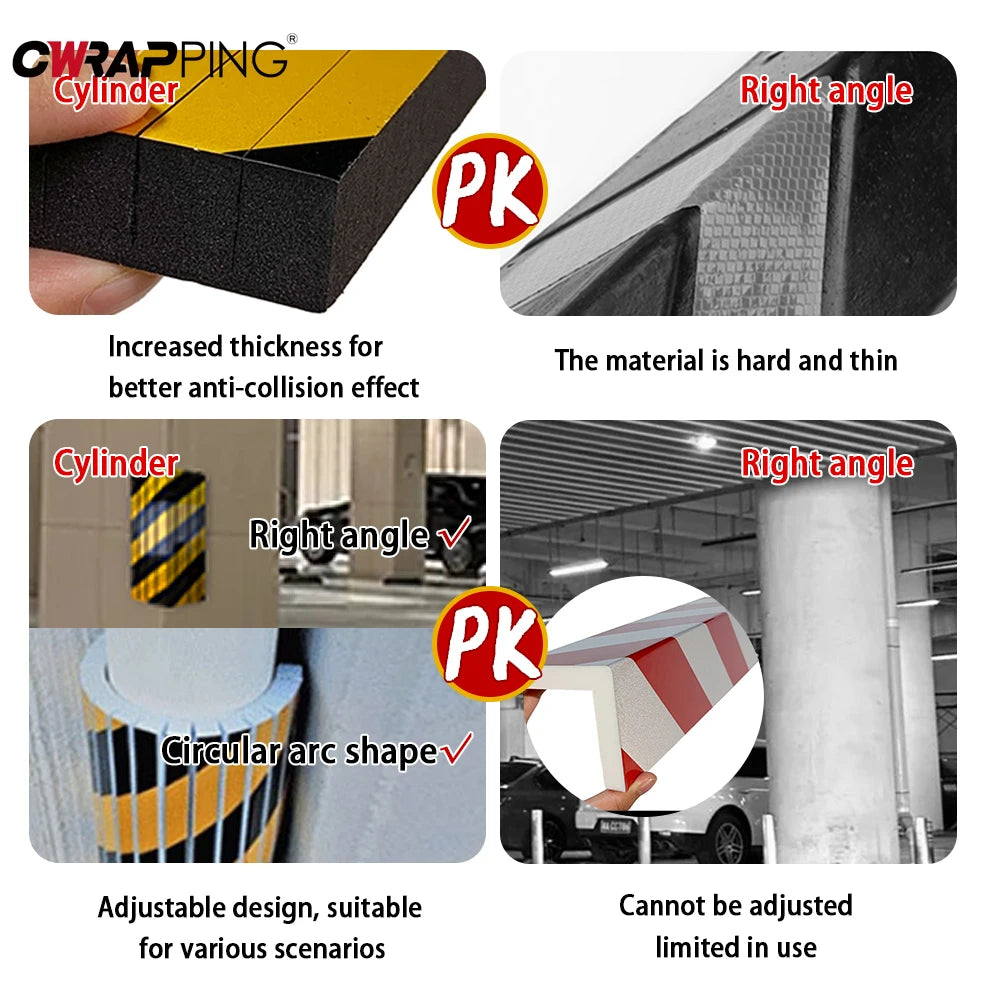
- ✔️ Foam corner wall guards (4pcs) — cover the vertical corners and pillars a door can catch on an angled swing
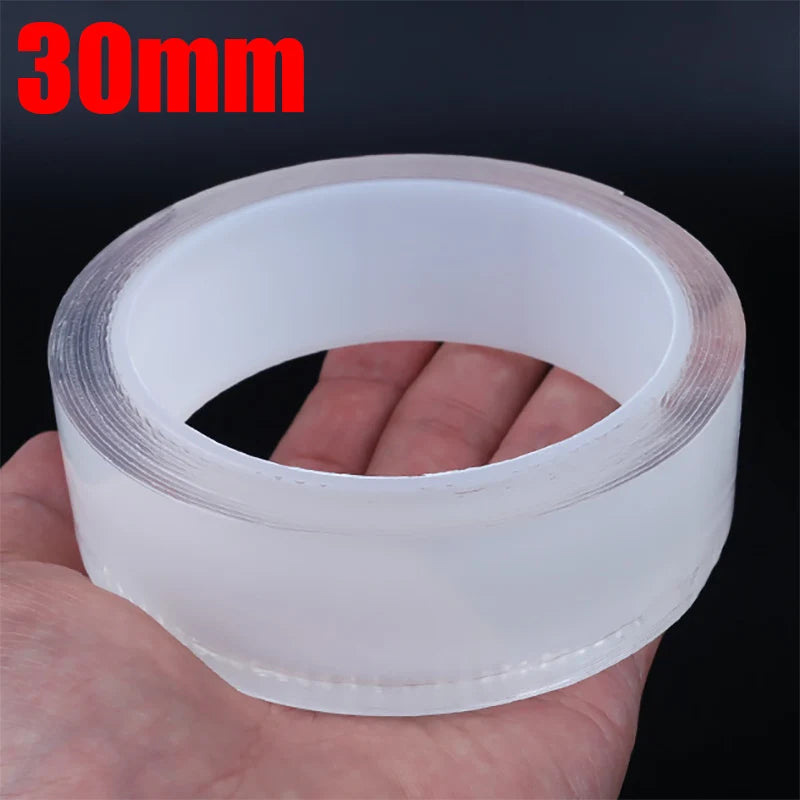
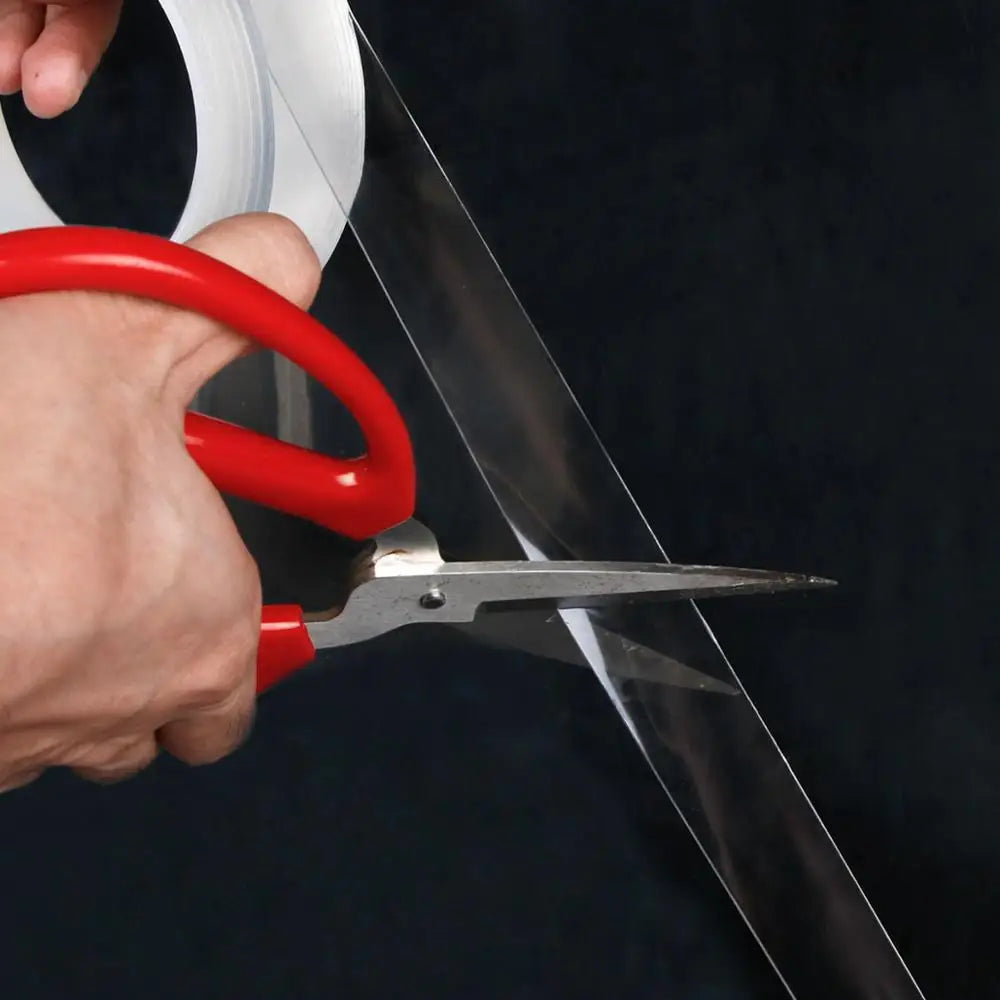
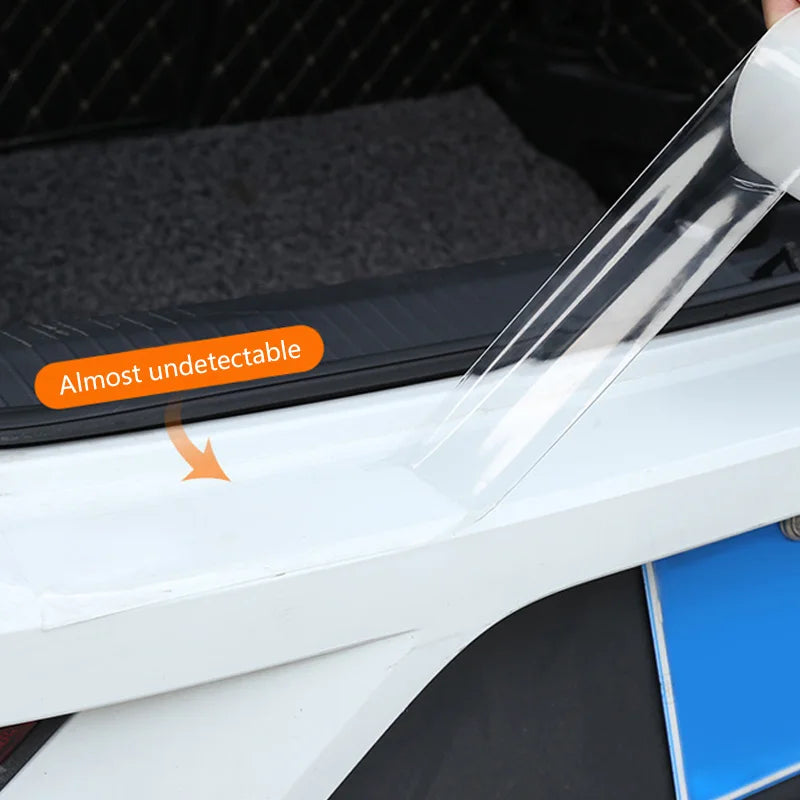
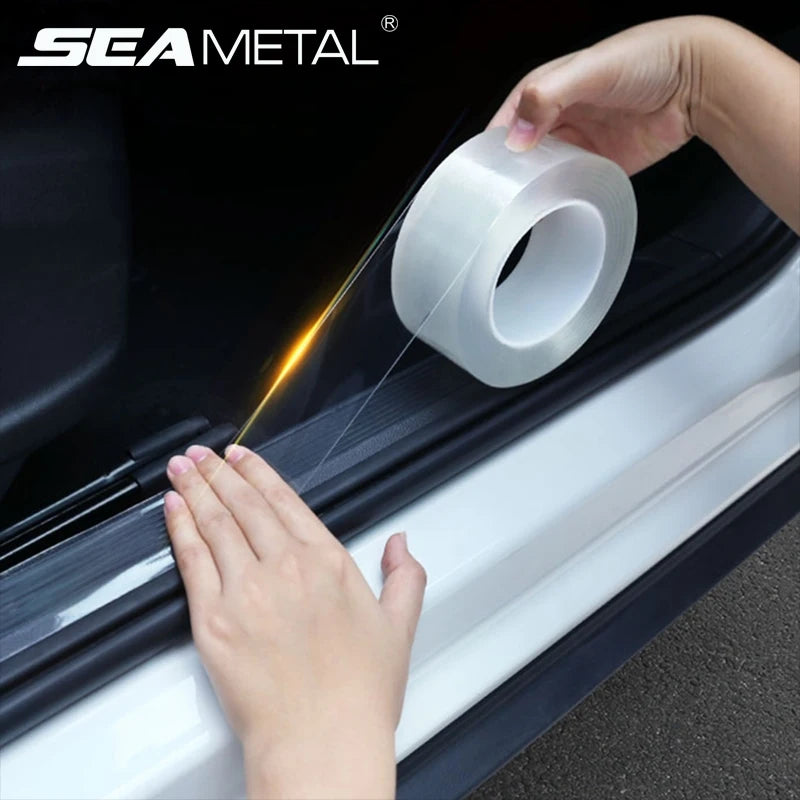
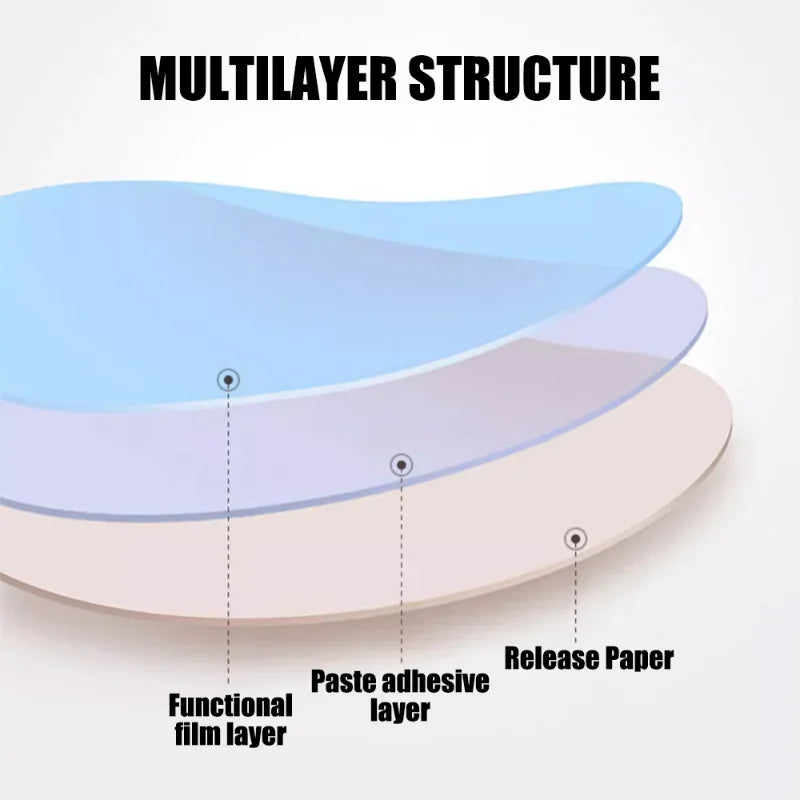
- ✔️ Clear door edge protection strip (10m / 32.8ft) — added insurance on the door edge itself if contact still occurs
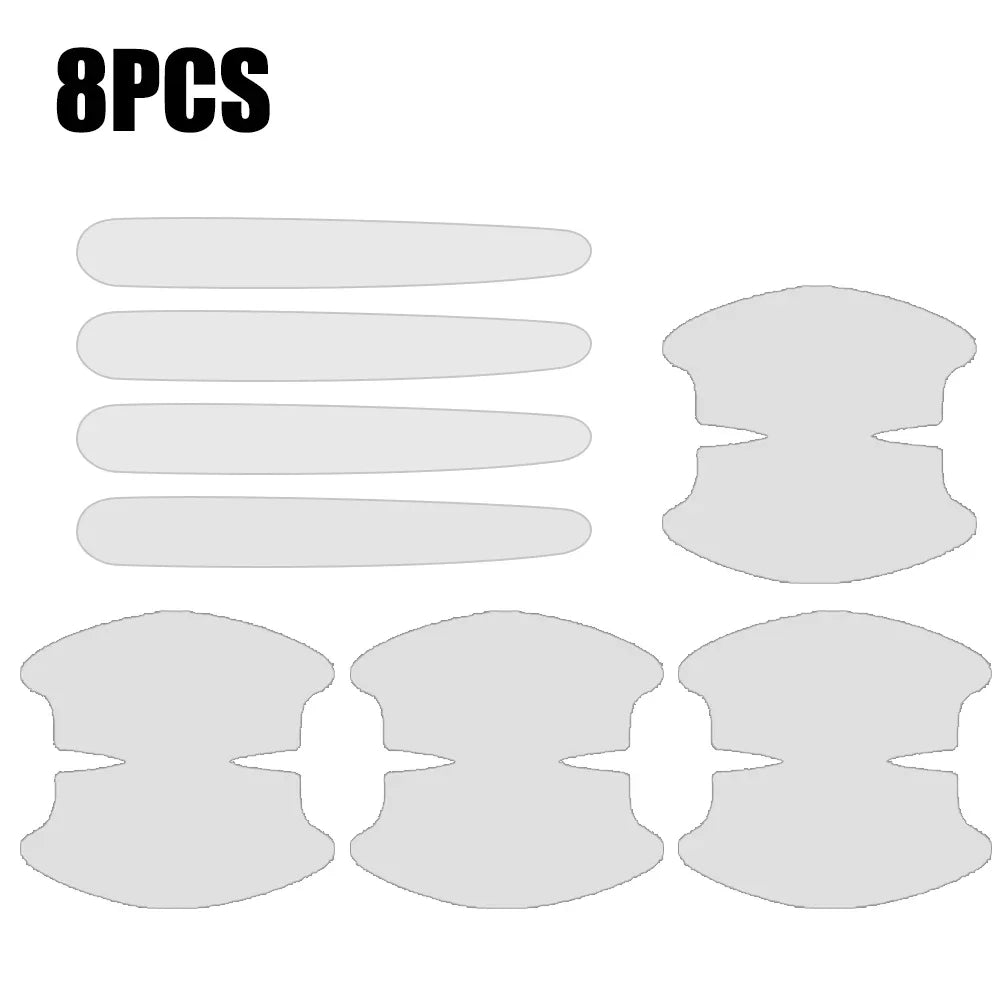
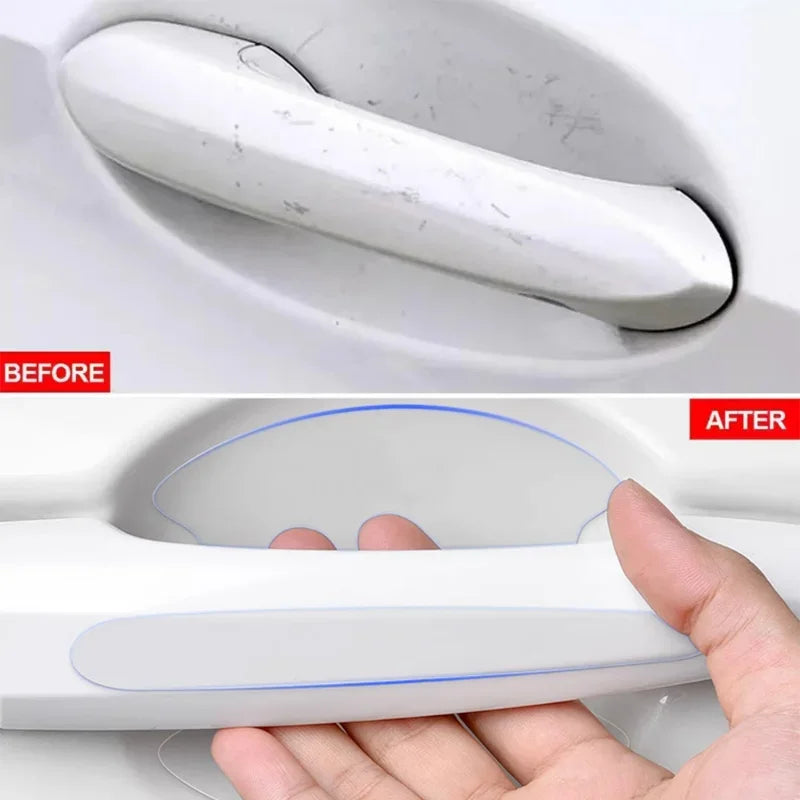
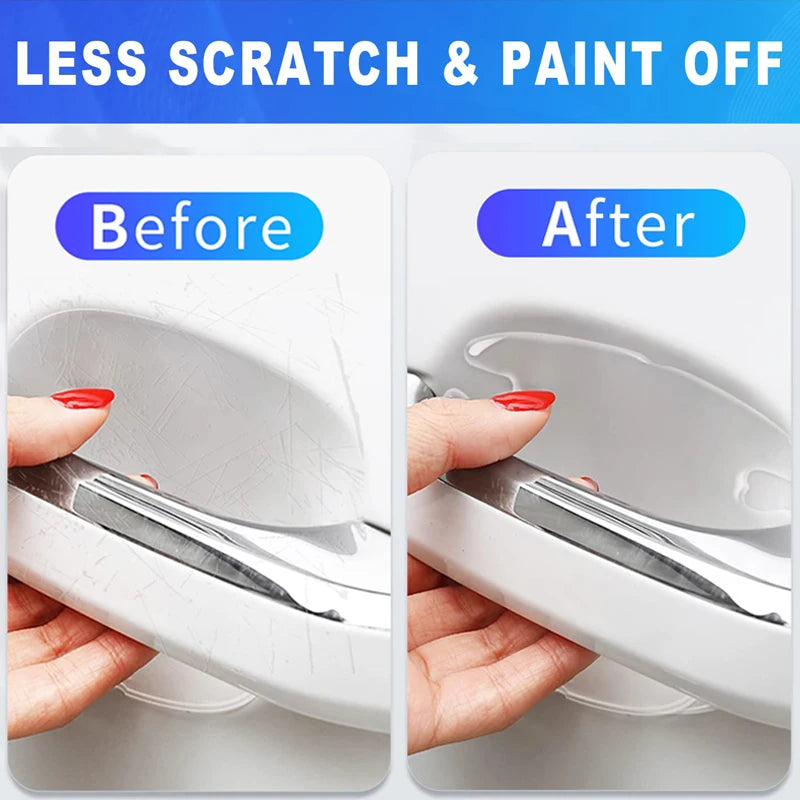
- ✔️ PVC handle protectors (16pcs) — protect the handle area during any incidental contact in tight garage maneuvering
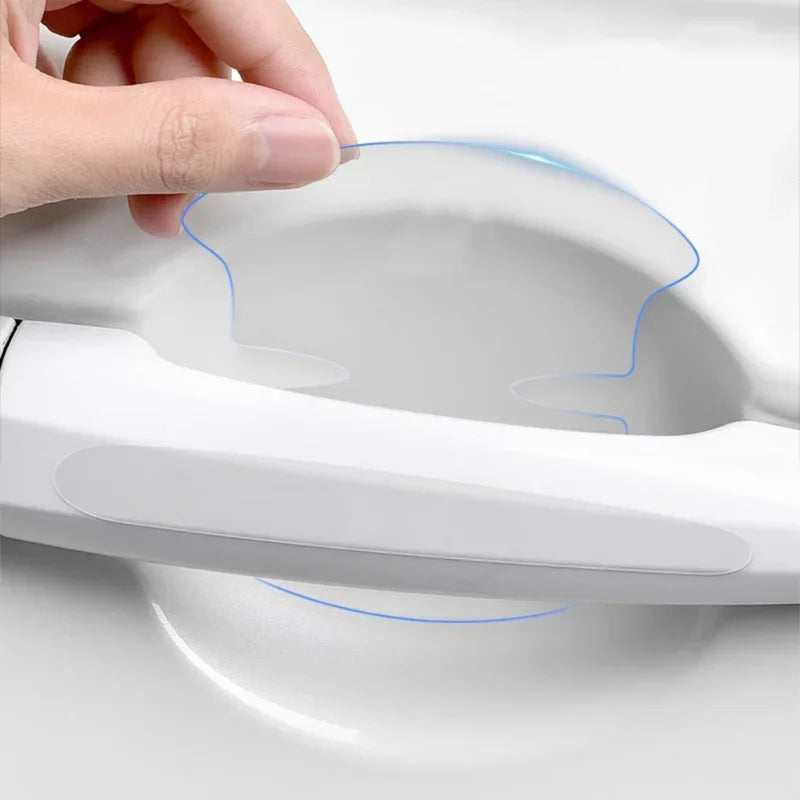
- ✔️ Silicone door bowl guards (16pcs) — complete the door-side protection so every surface is covered from both directions
Autixio
Complete Car & Garage Protection Kit – 4 Doors + Wall Guards
Free Shipping on all orders. Taxes are calculated at checkout.
 Secure checkout with 256-bit SSL encryption


🏠 How to Set Up Car Door Bumper Guards in Your Garage — Step by Step
Map your door swing zones first — then work outward from the wall to the door. Each step adds a layer of protection to a different contact point. Follow the order below for complete garage ding protection in under 20 minutes.

Step 1 — Map Your Door Swing Zones First
Know Exactly Where to Mount Before You Peel Anything
Open each car door to its full range inside your garage and mark the wall at the point of contact. Getting placement right before applying anything saves you from repositioning later — and ensures the bumper guard lands exactly where the impact happens.

Step 2 — Mount the Main Wall Bumper Pads
Car Door Bumper Guards Go On the Wall, Not the Door
Clean the wall at your marked height, peel the adhesive backing from the EVA foam wall pads, and press firmly at the exact door-swing contact point on both sides of the garage. Hold for 30 seconds. Allow 24 hours before the first use so the adhesive bonds fully.

Step 3 — Cover the Corner Pillars
Angled Swings Hit Corners — Flat Pads Cannot Cover Them
Vertical corners and pillars within door-swing range are a blind spot in most garage setups. Apply the foam corner guards at the same height as the wall pads to absorb any angled contact the flat bumper cannot intercept.

Step 4 — Add Edge Strip Insurance to the Door
The Door Needs a Layer Too — In Case Contact Still Happens
Wall pads stop most impacts, but apply transparent edge protection strip along each door edge as a secondary layer. If any incidental contact still occurs despite the wall coverage, the strip absorbs it before paint is affected.

Step 5 — Protect the Handle and Bowl
Handles and Bowls Are the Last Contact Points to Cover
In a tight garage, handles and bowls are the secondary contact points after the door edge. Apply PVC handle protectors over each door handle and press silicone bowl guards into each handle recess to close the remaining gap in the system.
🔧 Learn More About Garage Door Ding Protection
-
🚗 How to Stop Door Dings in Parking Lots
Read the Parking Lot Ding GuideParking lot dings need a different approach than garage dings. This guide covers what actually works when you cannot control the environment around you.
-
🛡️ Which Door Edge Guard Is Right for Your Car?
Read the Edge Guard Buying GuideRubber trim vs. clear film — the differences explained so you can pick the right edge protection for your paint type and parking habits.
-
🚪 Shop All Door Protection Gear
Browse the Full CollectionWall pads, foam corner guards, edge strips, and handle protectors — the full lineup for every protection scenario.
-
📦 Get the Complete 4-Door & Garage Kit
View the Full Protection KitEvery product in this guide in one bundle — wall pads, corner guards, edge strips, handle guards, and bowl protectors for all four doors.
You're not the only one wondering these things
Frequently Asked Questions
Where should car door bumper guards be mounted in a garage?
Mount car door bumper guards at the exact height where your door edge or handle makes contact with the wall when fully open. Open each door to its full range first and mark the wall before applying anything. For most sedans and SUVs this is between 28 and 40 inches (71–101 cm) from the floor, but it varies by vehicle height.
Will garage wall bumper pads damage the wall surface?
EVA foam wall pads use a self-adhesive backing that bonds to painted drywall, concrete, and brick without causing damage in normal use. Removal requires slow peeling at a low angle. On freshly painted or textured walls, test a small area first before full application.
How thick should a car door bumper guard be to absorb a door swing?
A minimum of 15mm (0.6 inches) of EVA foam provides adequate absorption for a standard door swing at low to moderate speed. The 400x120x15mm pads in this guide are sized correctly for most residential garages. Thicker 20mm (0.8 inch) pads are worth using in very tight spaces where the door opens fast.
Do I need bumper guards on both sides of the garage?
Yes if you park close to both walls, or if you have a passenger side that opens toward a wall or pillar. The driver side is almost always the higher priority since it swings open most frequently, but passenger doors in tight garages take just as many hits over time.
Can I use car door bumper guards in a parking garage or just at home?
The wall-mounted pads in this guide are designed for permanent installation in your home garage. For public parking garage protection, the door-side products — edge strips, handle protectors, and bowl guards — provide the portable equivalent since you cannot mount anything to a public wall.