
Car Door Protection Strips: Stop Scratches on Every Door Zone
Car door protection strips are the fastest way to stop edge scratches, paint chips, and dings for good. This guide covers every door zone — edges, handles, bowls, corners, and garage walls — in one 30-minute setup. No tools, works on any car.

Car Door Protection Strips Work — But Only If You Cover Every Zone
A car door protection strip applied to your door edge is the single most effective thing you can do to prevent paint chips and scratch damage from parking lot contact. The problem is that most people stop there, and the handle area, door bowl, and corners keep collecting damage every single day. This guide shows you how to apply car door protection strips and guards across every high-risk zone so nothing gets missed, using a layered system that takes under 30 minutes to set up on any car.
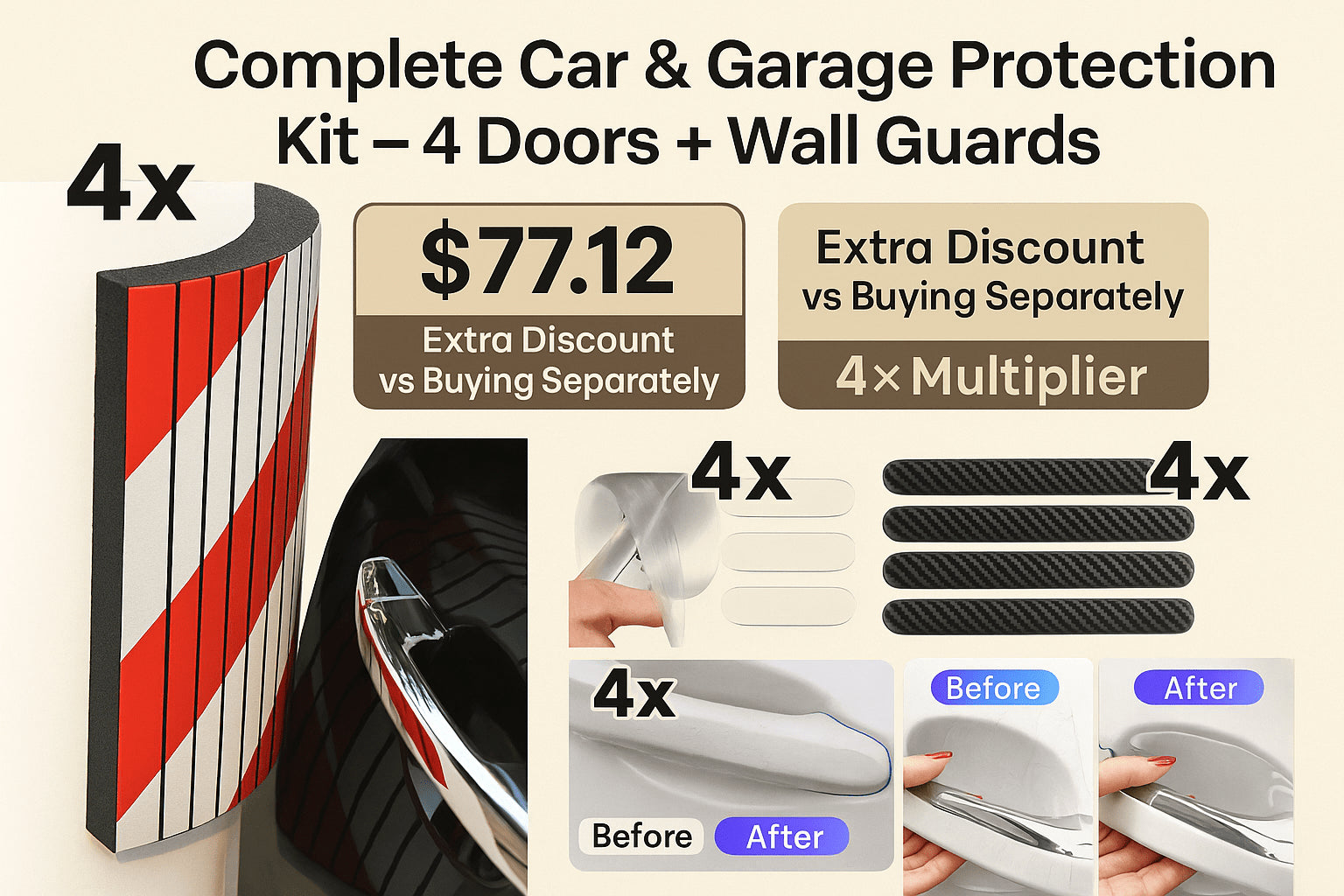
The Complete Car & Garage Protection Kit includes everything you need to run this system across all four doors. Here is what is in it and what each piece protects:
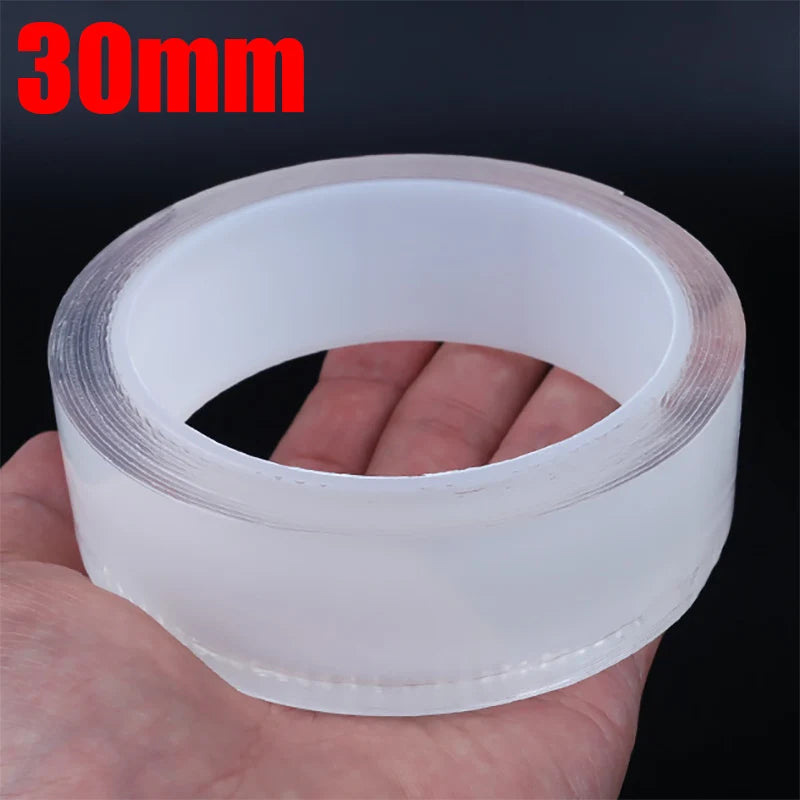
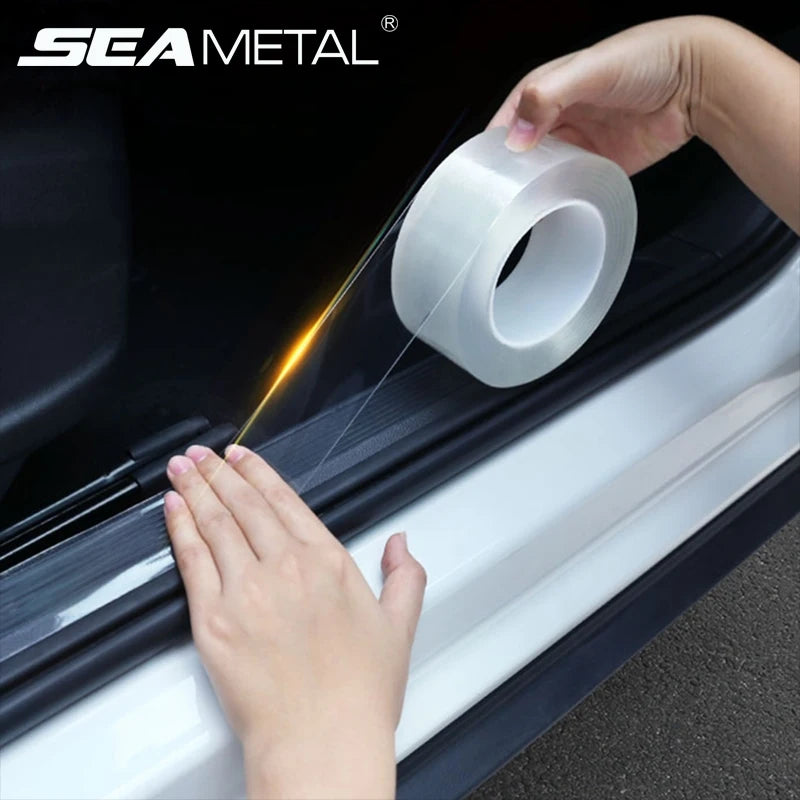
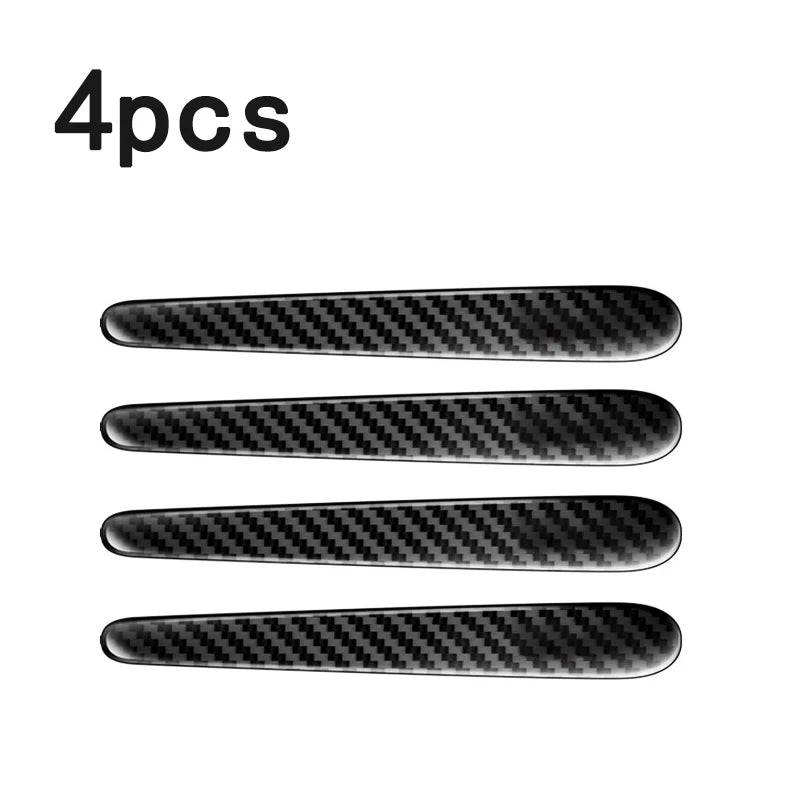
- ✔️ Clear door edge protection strip (10m / 32.8ft) — the core of the system, wraps exposed edges to absorb impact and resist paint chips
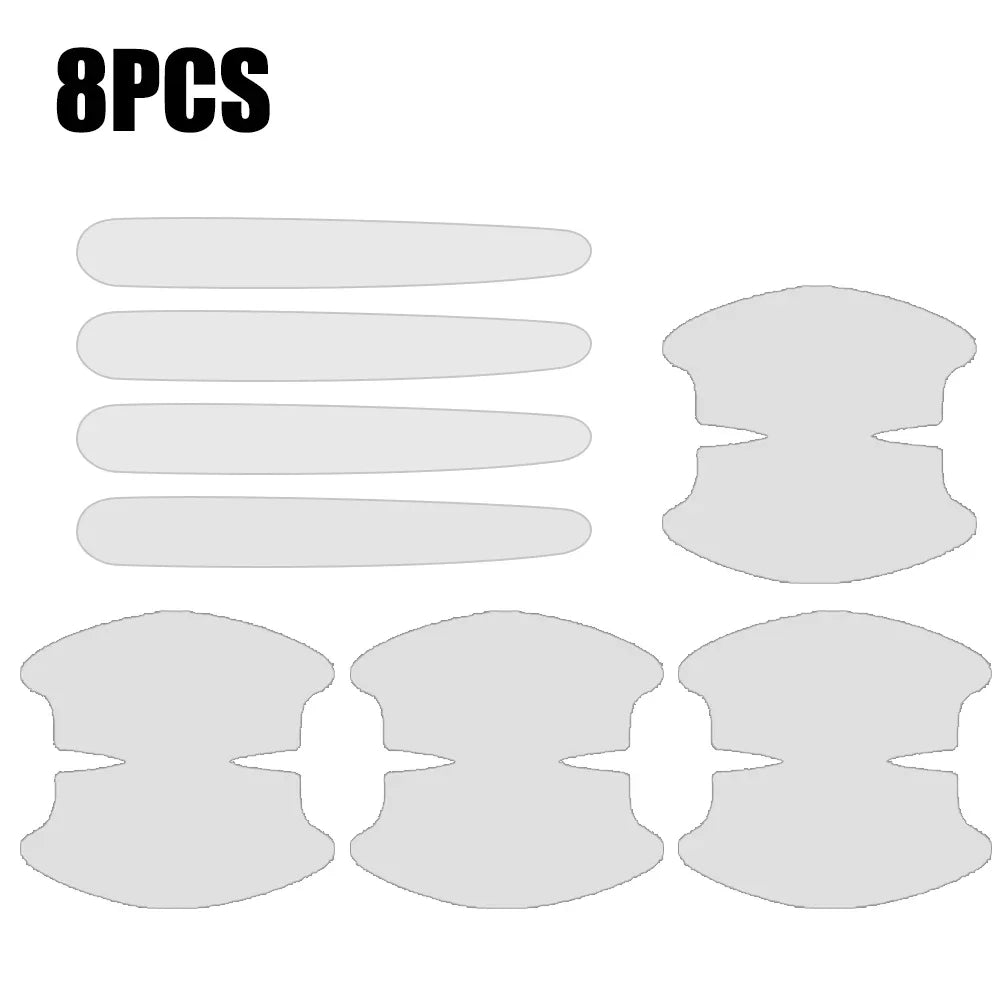
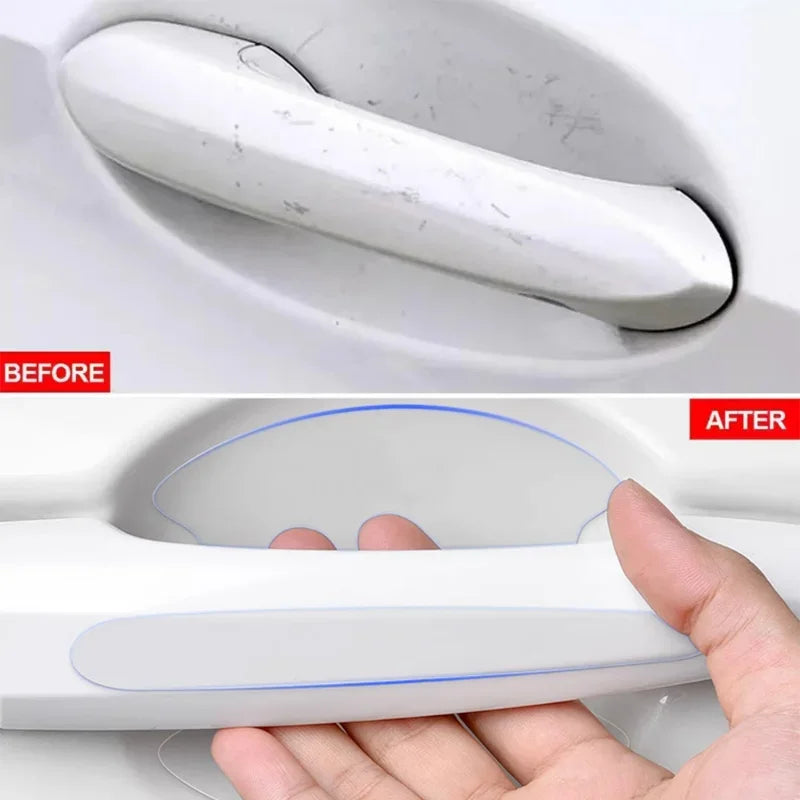
- ✔️ PVC handle protectors (16pcs) — invisible guards over the areas keys and fingernails hit most
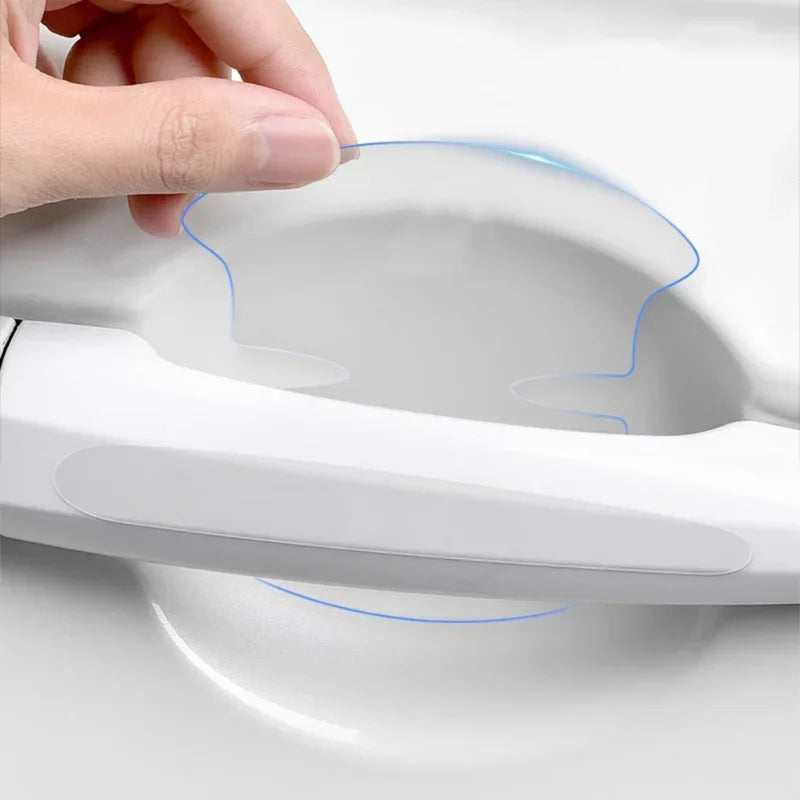
- ✔️ Silicone door bowl guards (16pcs) — soft protection for the recessed handle cups that scratch daily
- ✔️ Transparent edge protector tabs (16pcs) — reinforced corners where the strip ends and impact concentrates
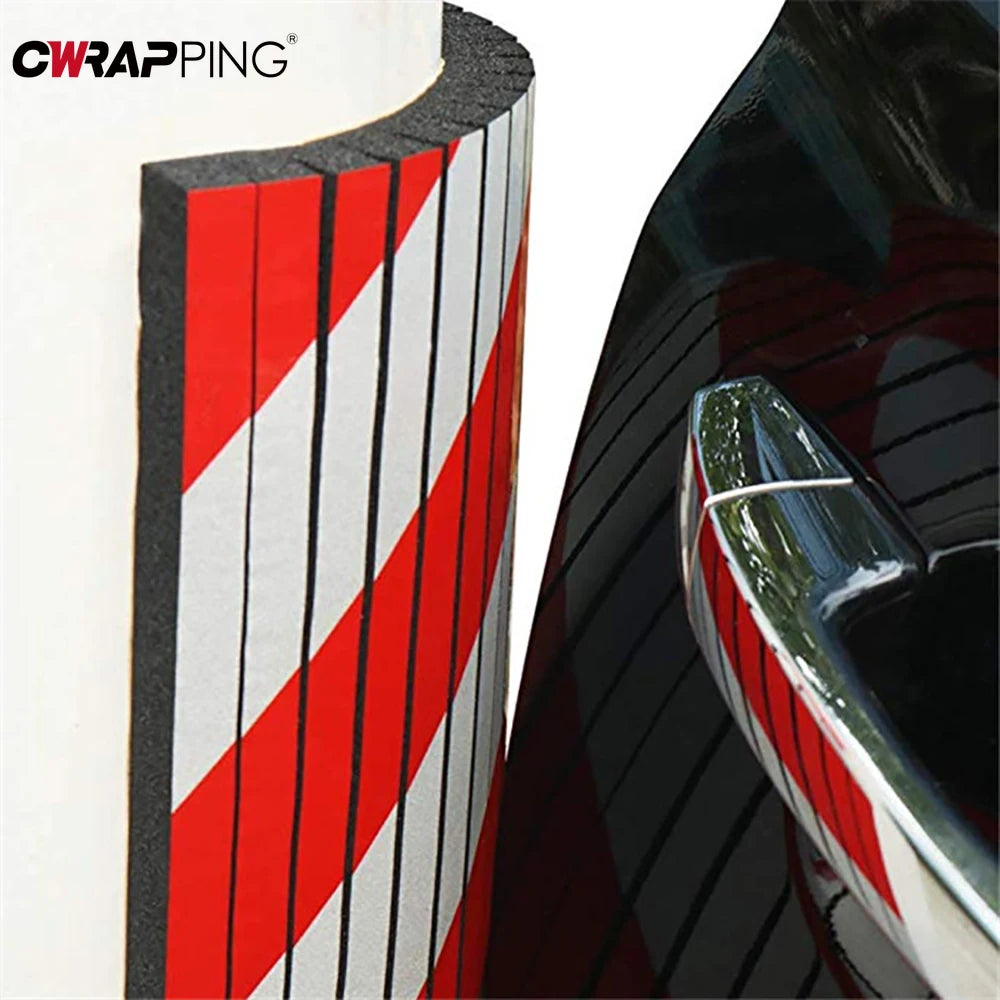
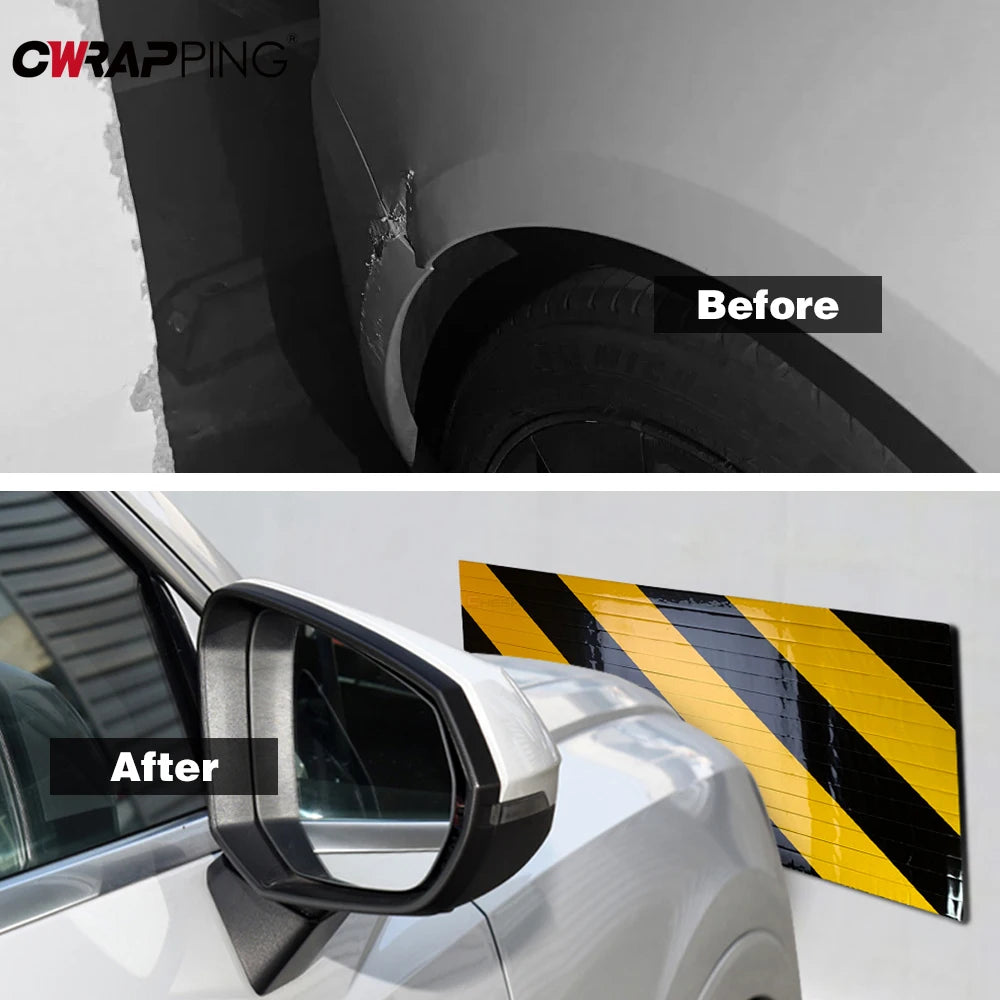
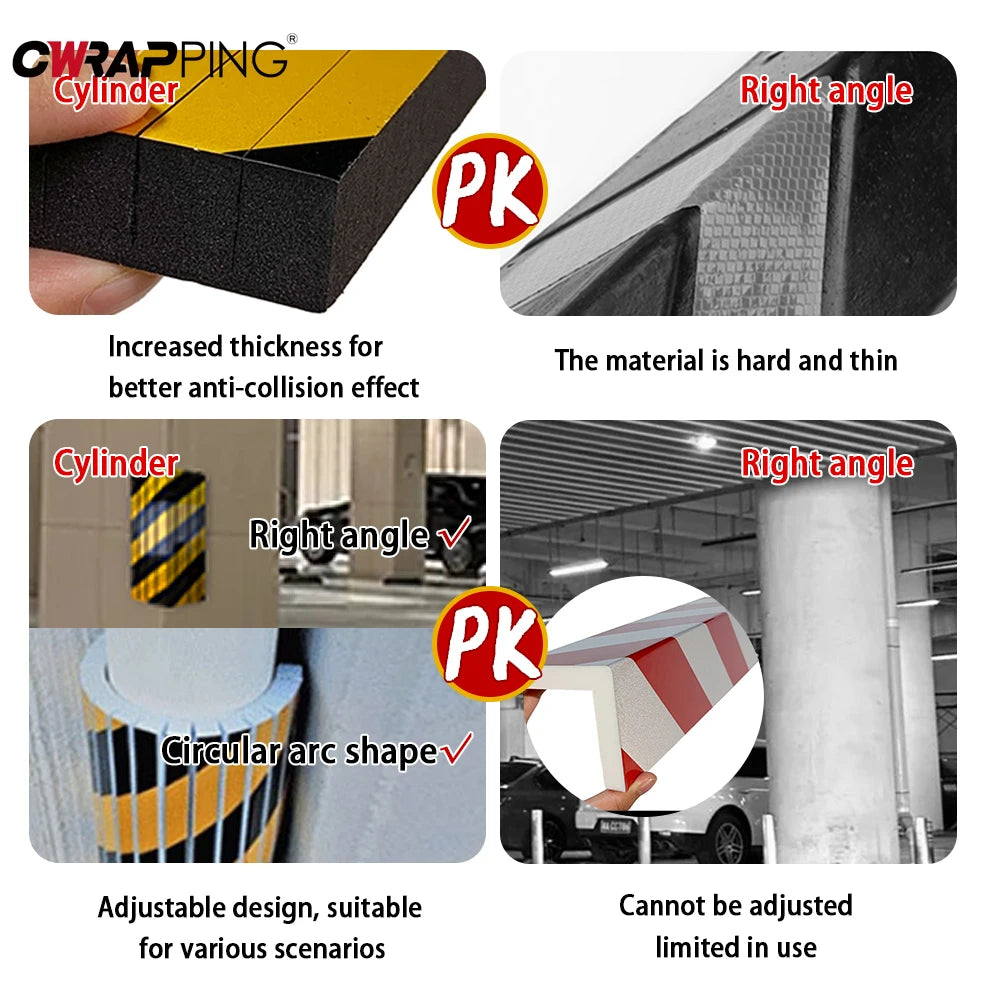
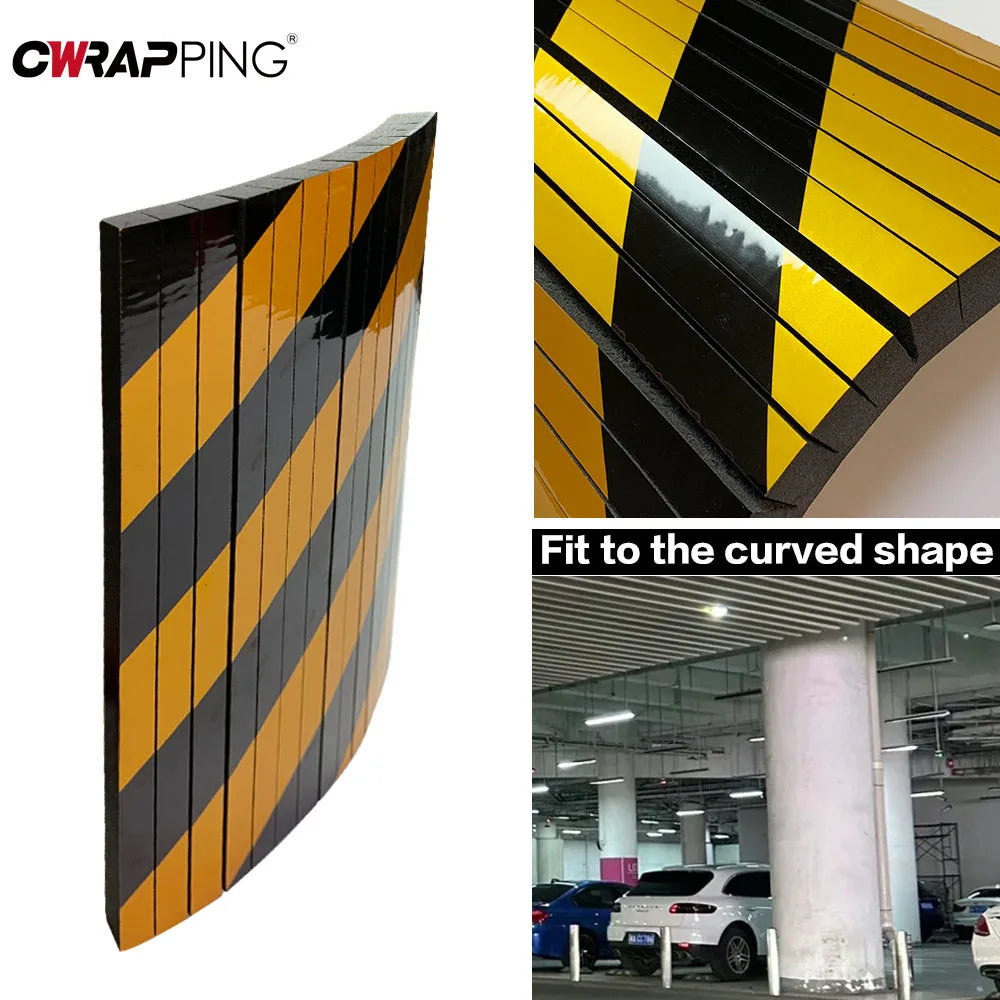
- ✔️ EVA garage wall pads (2pcs) — foam bumpers that absorb door swings in your own garage
Autixio
Complete Car & Garage Protection Kit – 4 Doors + Wall Guards
Free Shipping on all orders. Taxes are calculated at checkout.
 Secure checkout with 256-bit SSL encryption


🛡️ How to Apply Car Door Protection Strips and Guards — Step by Step
Start with the door edge strip — it is the foundation of the entire system. Each step after that adds protection to the zones the strip alone cannot cover. Follow the order below for complete coverage on all four doors in under 30 minutes.

Step 1 — Apply the Edge Protection Strip First
The Door Edge Strip Is the Foundation of Everything
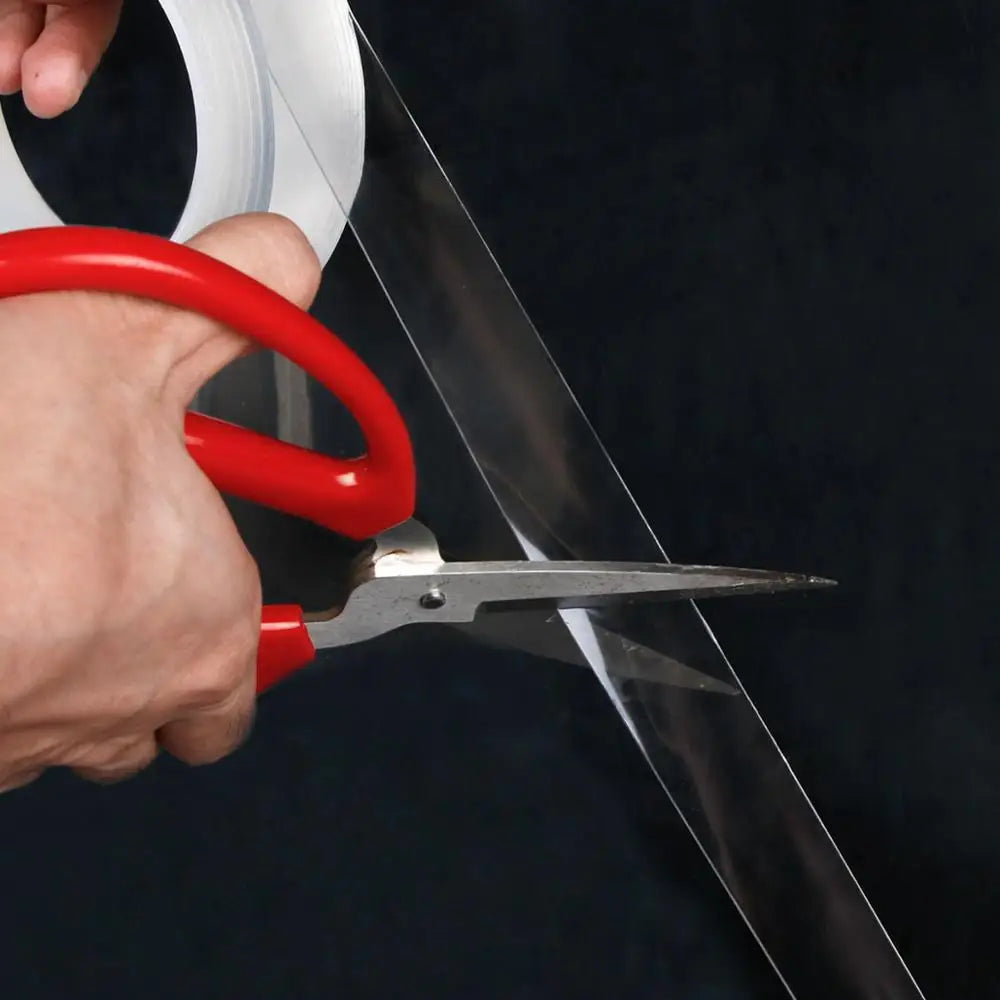
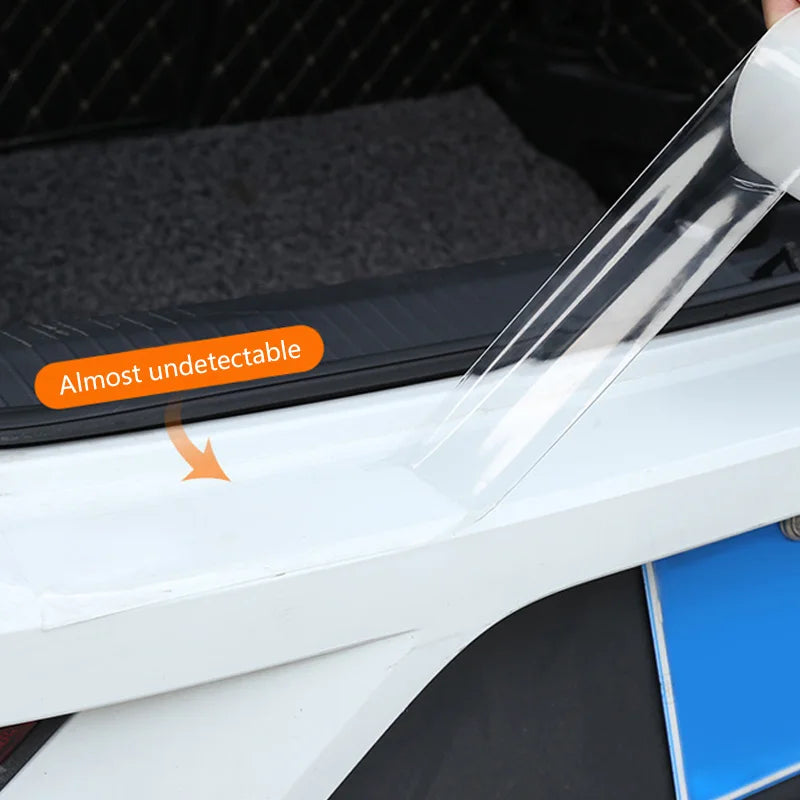
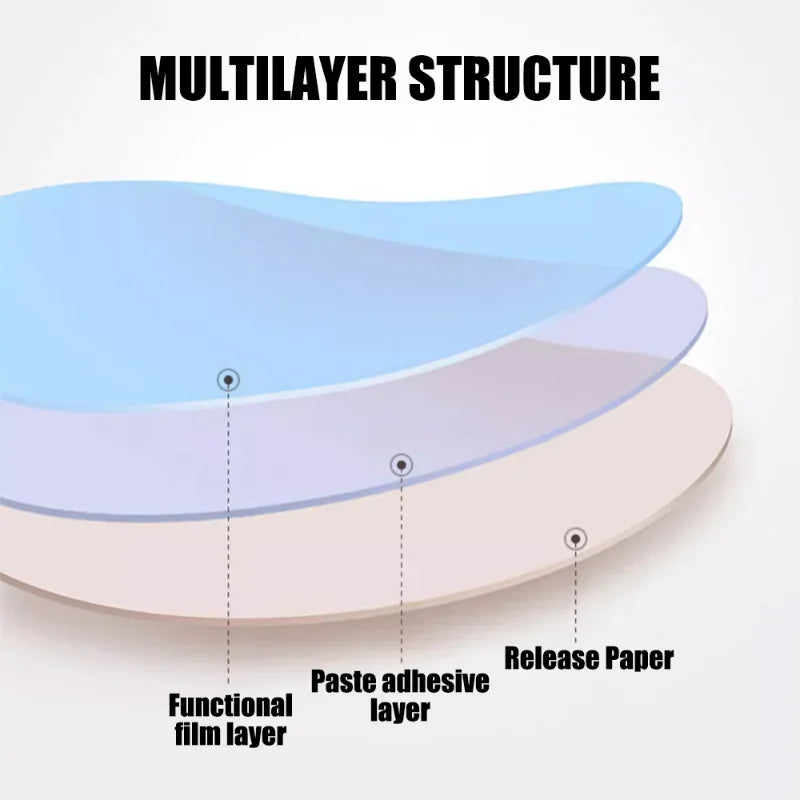
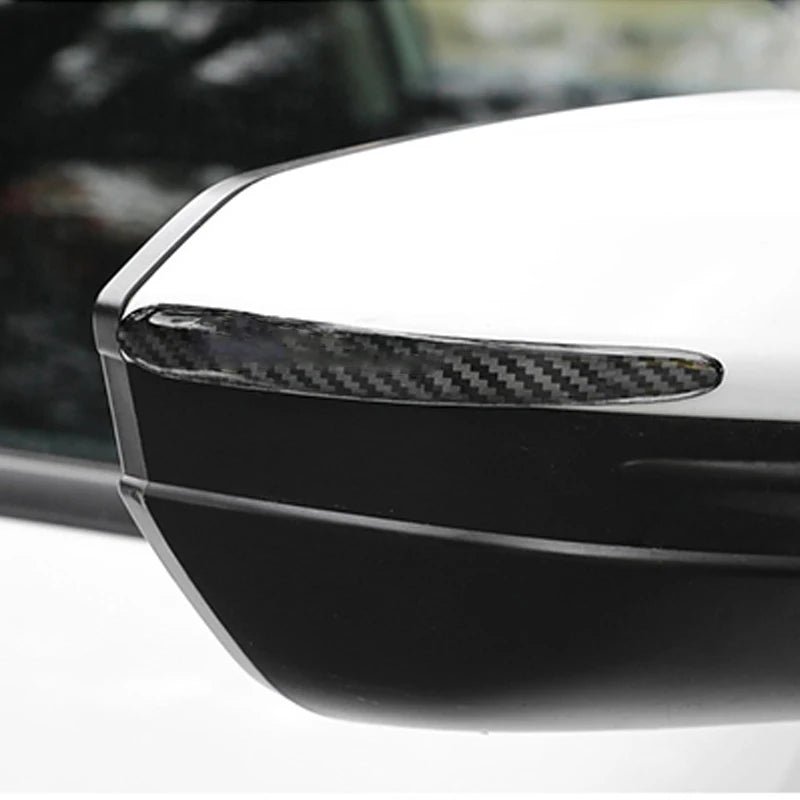
Car door protection strips go on first because door edges take the most frequent and most damaging contact. Apply the transparent film strip along the full length of each door edge — it absorbs impact, prevents chips, and is invisible on any paint color. This one step eliminates the most common source of door scratch damage.

Step 2 — Protect the Handle Area
The Strip Does Not Reach the Handle — This Does
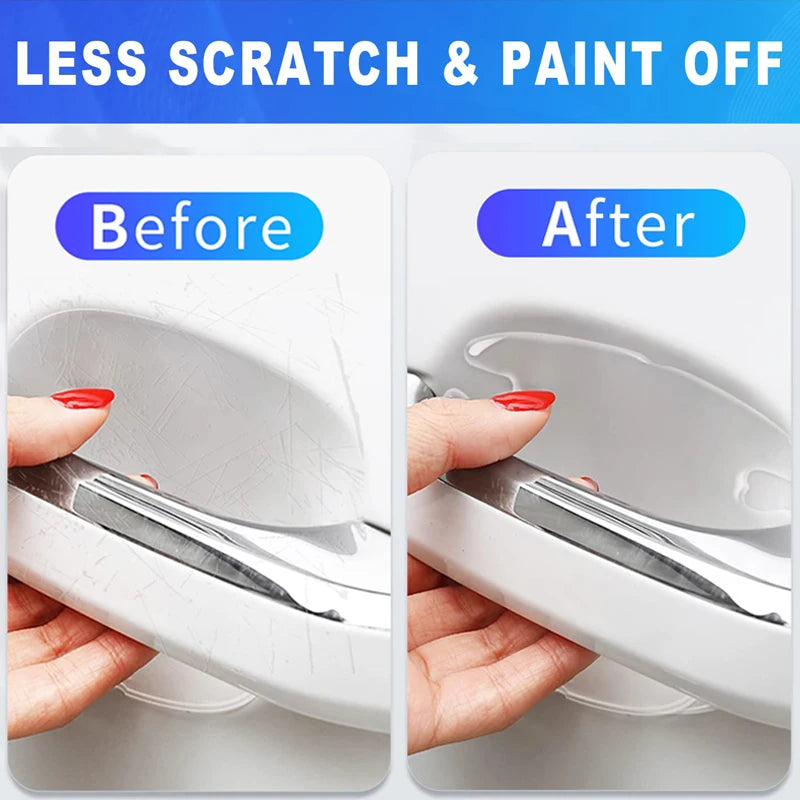
Car door protection strips cover the edge, but the handle area is a separate damage zone. Keys, rings, and nails scratch the paint around every handle daily. Apply the clear PVC handle protectors directly over each handle to close this gap in the system.

Step 3 — Line the Door Bowls
Door Bowls Are the Most Overlooked Scratch Zone
The recessed bowl your fingers reach into each time you open the door gets scratched by rings, nails, and keys dozens of times a week — and no edge strip reaches it. The silicone bowl guards press in flush and protect the paint without changing how the handle looks or feels.

Step 4 — Reinforce the Strip Endpoints
Where the Strip Ends, Impact Concentrates
The corners where your door edge protection strip terminates are the most vulnerable points in the system — impact concentrates at endpoints. The clear corner protector tabs overlap the strip ends and add a second layer exactly where it is needed most.

STEP 5 — ADD GARAGE WALL PROTECTION
Your Own Garage Is Where Most Door Dings Actually Happen
Car door protection strips handle parking lot contact. But most dings happen at home — when the door swings out and hits the garage wall. Mount a foam wall guard at door-swing height on both sides, cut to the exact width your door needs, and this problem is solved permanently.
🔧 Learn More About Car Door Protection Strips and Guards
-
🛡️ Which Door Edge Guard Is Right for Your Car?
Read the Edge Guard Buying GuideRubber trim vs. clear film — how they compare on protection, visibility, and fit for different paint types and driving habits.
-
🔑 How to Stop Handle Scratches Before They Start
Read the Handle Protection GuideA focused guide to handle and cup protectors — what to look for, how to apply them, and which cars they fit.
-
🚪 Shop All Door Protection Gear
Browse the Full CollectionEdge strips, handle protectors, bowl guards, and garage wall pads — the full lineup in one place.
-
📦 Get the Complete 4-Door Protection Kit
View the Full Protection KitEvery product in this guide in one bundle — edge strips, handle guards, bowl protectors, and garage wall pads for all four doors.
You're not the only one wondering these things
Frequently Asked Questions
How long does a car door protection strip last?
A properly applied transparent door edge protection strip typically lasts 3–5 years before it needs replacing. Longevity depends on surface prep — apply to a clean, dry, grease-free surface and press firmly across the full length.
Will car door protection strips damage my paint when removed?
No, if removed correctly. Pull the strip back slowly at a low angle rather than straight up. If residue remains, a small amount of isopropyl alcohol on a microfiber cloth removes it without affecting the paint underneath. Do not use sharp tools.
Can I apply door edge strips myself without experience?
Yes. The strips are self-adhesive and cut-to-length — no tools, no heat gun, no prior experience needed. Clean the surface, measure, cut, peel, and press. The full four-door application takes under 30 minutes.
Do protection strips work on all car colors?
Yes. The transparent film is optically clear and sits flush with the paint surface, making it invisible on any color including black, white, and metallic finishes. The strip takes on the appearance of the underlying paint rather than adding a visible layer.
What is the difference between a rubber door edge guard and a clear protection strip?
Rubber U-shape guards clip onto the door edge and add visible bulk — they work well but change the door's appearance. Clear protection strips are a thin adhesive film that bonds flat to the edge and stays invisible. For a clean look on a newer car, the clear strip is the better choice.