
Car Door Scratch Protectors: Set Up Invisible Protection Before Day 1
A new car picks up its first door scratch within days — usually from a handle, a bowl, or an edge. This guide shows how to apply car door scratch protectors across every contact zone in 25 minutes. Invisible on any paint color, works on any car.

The First Scratch on a New Car Happens Faster Than You Think
A new car leaves the dealership with flawless paint — and picks up its first scratch within days, usually from the most mundane contact: a key grazing the handle bowl, a door edge tapping a parking bollard, a ring catching the cup recess. Car door scratch protectors applied before any of this happens create a transparent barrier that absorbs contact and keeps the paint underneath untouched. This guide shows new car owners exactly how to apply invisible scratch protection across every high-risk zone — handles, bowls, edges, and mirrors — in a single 25-minute session before the first mark has a chance to form.
🧰 What the Transparent Car Door Edge Protector Kit Includes
- ✔️ Transparent door edge protection film (10m / 32.8ft) — applies along door edges to stop chips and paint transfer on the most exposed surface
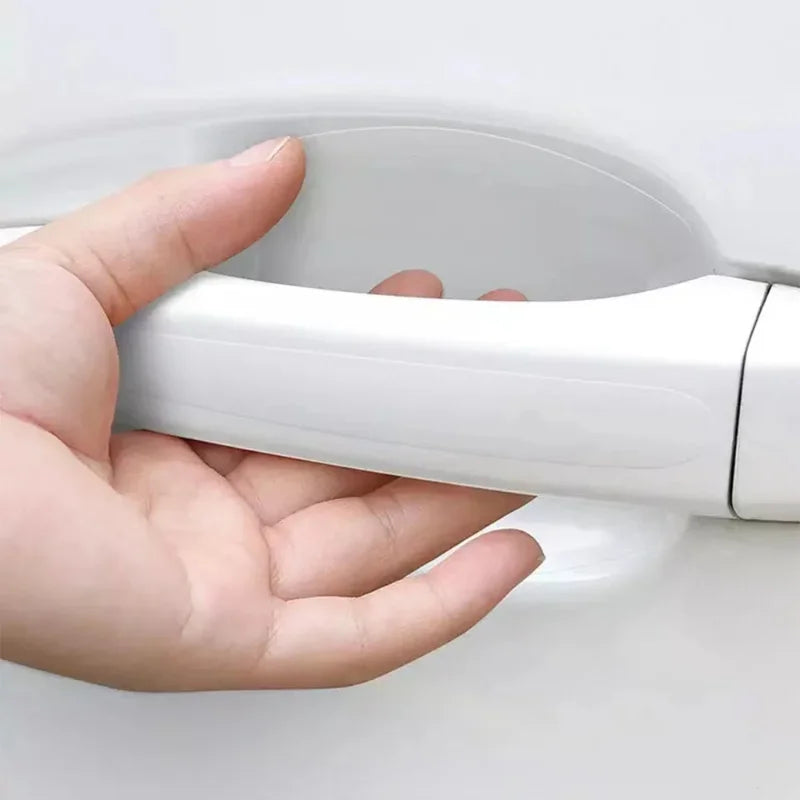
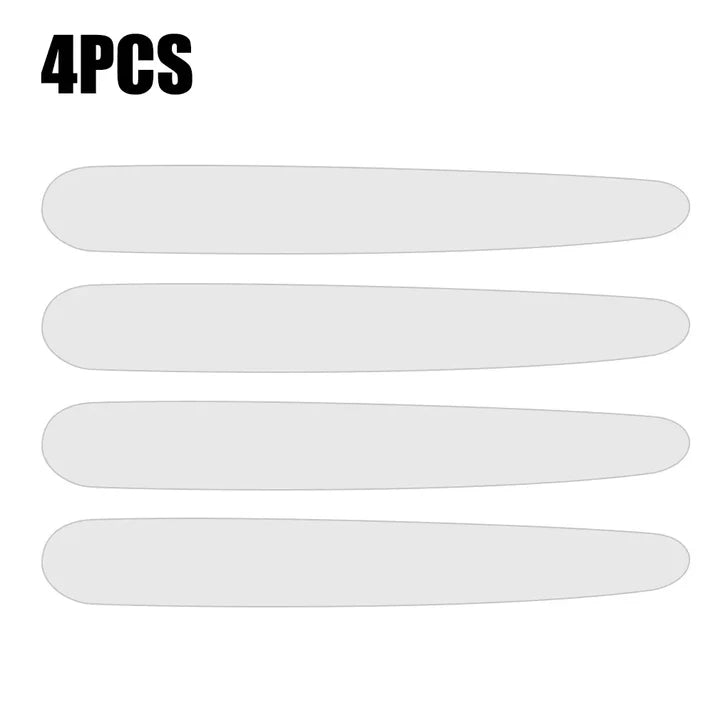
- ✔️ PVC handle scratch guard film (4pcs) — covers the painted surface around each door handle where keys and fingernails land daily
- ✔️ Silicone door bowl protectors (4pcs) — press-fit guards for the recessed handle cups that collect ring and nail scratches from every passenger

Autixio
Transparent Car Door Edge Protector Kit – Clear Handle Guards 1 Door
Free Shipping on all orders. Taxes are calculated at checkout.
 Secure checkout with 256-bit SSL encryption



🛡️ How to Apply Car Door Scratch Protectors Before the First Mark — Step by Step
Surface prep comes first — it determines whether any protector stays bonded for years or starts lifting within weeks. Follow the steps in order and every zone will be covered in under 25 minutes.

Step 1 — Clean Every Surface First
Surface Prep Determines Whether Protectors Last or Lift
Wipe each application zone with isopropyl alcohol on a microfiber cloth — door edges, handle areas, bowl recesses, and mirror bases. Any oil, wax, or dealership residue prevents adhesive bonding and causes lifting within days. This step is non-negotiable on a new car.

Step 2 — Apply Door Edge Film First
The Edge Film Is the Largest Piece — It Goes On First
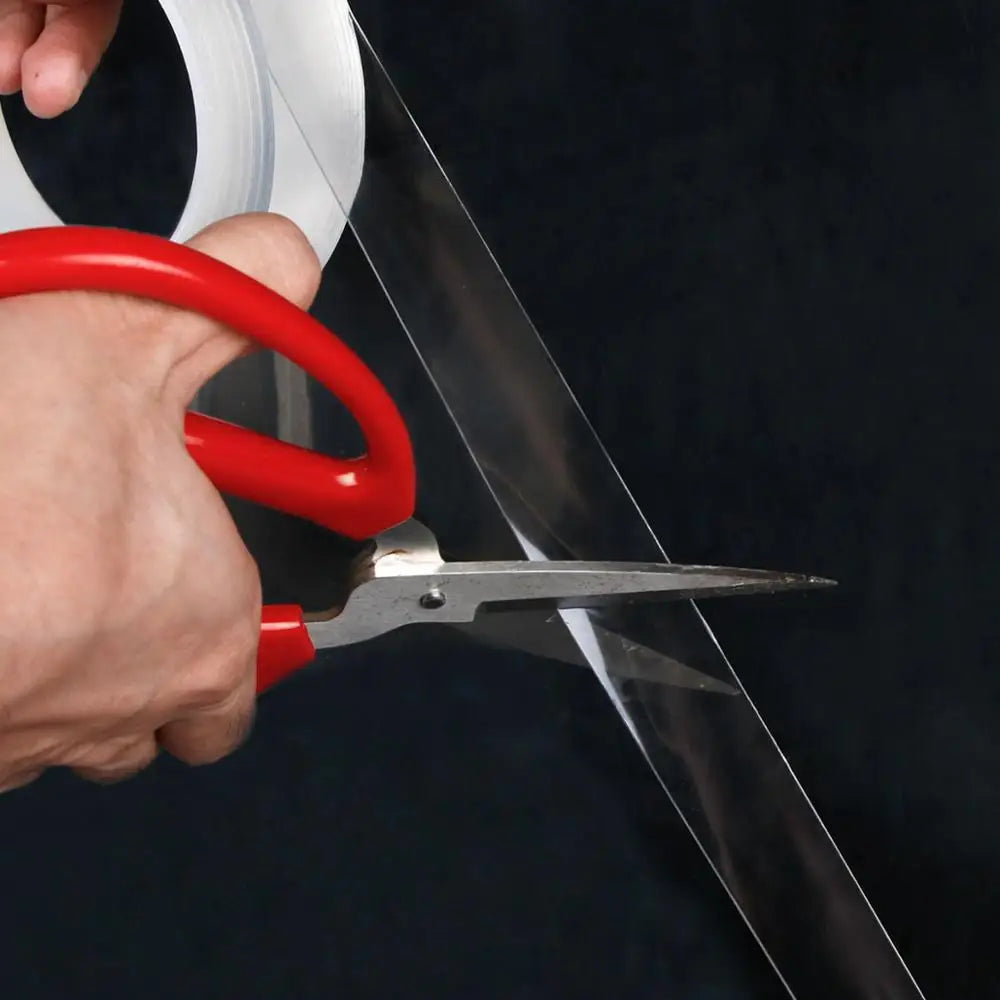
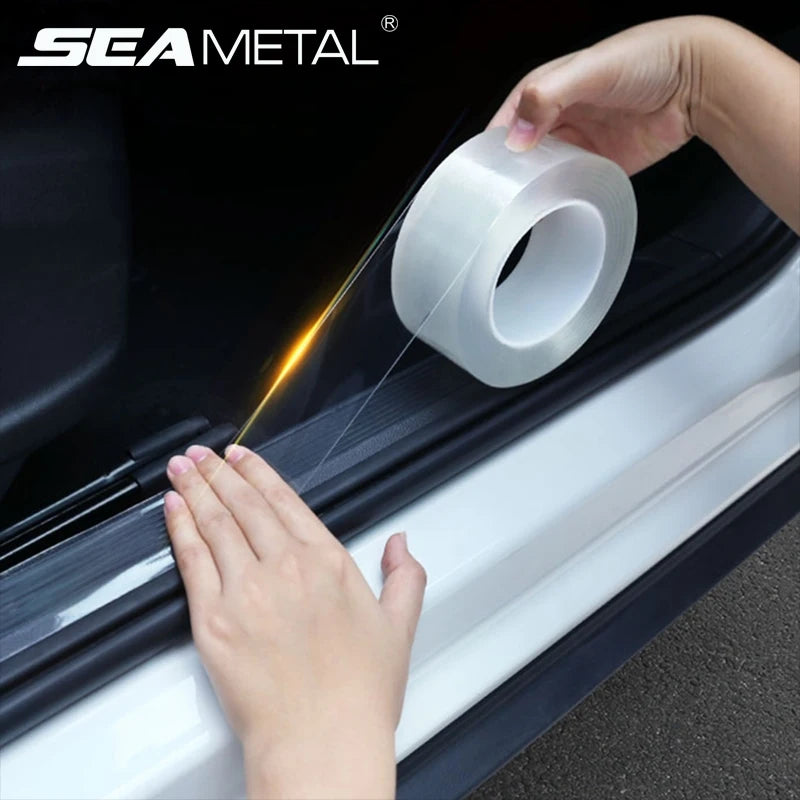
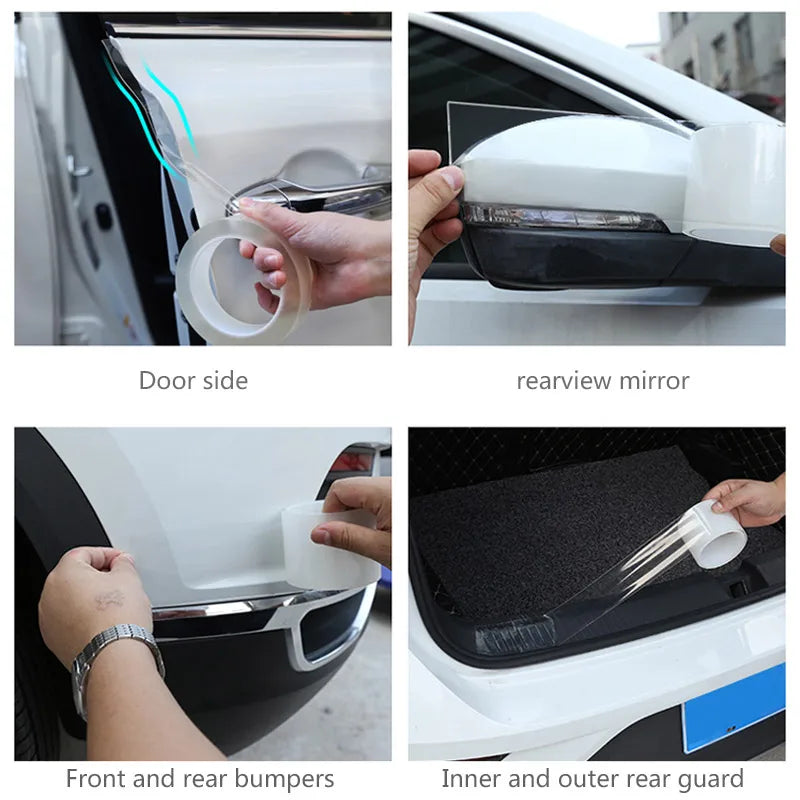
Measure and cut the transparent edge protection film to the length of each door edge. Peel, align at one end, and press slowly along the full length. The edge takes the hardest contact in any parking scenario — covering it first establishes the foundation for the rest of the application.

Step 3 — Apply Handle Scratch Guards
The Handle Area Gets Scratched Every Single Day
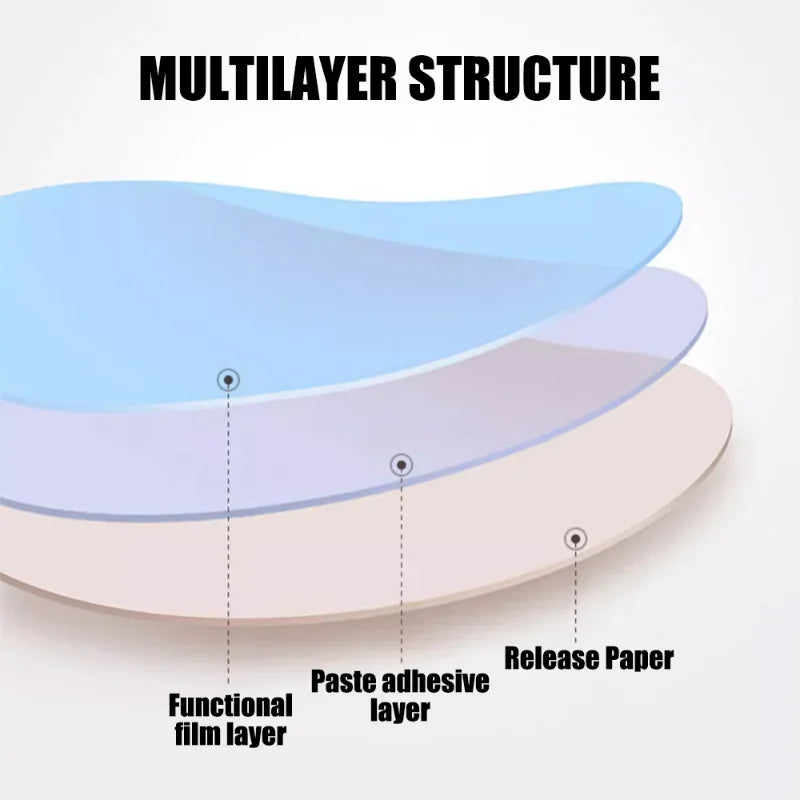
Trim the PVC handle guard film to fit the painted area around each door handle. Peel, press firmly from center outward to remove air bubbles. Give the adhesive 24 hours before washing the car — this is where most people rush and end up with lifting edges.

Step 4 — Press in the Bowl Protectors
Door Bowls Are the Most Scratched Zone on Any Car
Select the correct size silicone bowl guard for each door handle recess and press firmly until it sits flush. No adhesive needed — the silicone friction-fits and stays through washing and daily use. This is the zone that takes the most daily scratch contact on every car.

Step 5 — Protect the Side Mirrors
The Mirror Housing Is the Zone New Car Owners Miss Every Time
Apply clear silicone mirror protectors to the mirror housing base where close-quarters door contact occurs. It is the last zone to cover and the first one most new owners notice they missed — usually after the first scratch appears there weeks later.
🔧 Learn More About Invisible Car Door Scratch Protection
-
🔑 Handle and Cup Protectors — Full Buying Guide
Read the Handle Protector GuideCompare every handle and cup protector type available — material, fit, and application difficulty explained for all car types.
-
🎬 Best Door Edge Protector Film — 2026 Guide
Read the Edge Film GuideA detailed comparison of clear door edge films by thickness, durability, and finish — so you pick the right one for your paint type.
-
🚪 Shop All Door Protection Gear
Browse the Full CollectionHandle guards, bowl protectors, edge film, and mirror covers — everything in this guide available in one place.
-
📦 Get the 1-Door Protector Kit
View the 1-Door KitThe edge film, handle guards, and bowl protectors from this guide in a single kit — sized for one door, easy to scale up.
You're not the only one wondering these things
Frequently Asked Questions
When should I apply car door scratch protectors on a new car?
Apply car door scratch protectors as soon as possible after taking delivery — ideally within the first week before any contact scratches occur. The transparent film and silicone guards are easiest to apply on unscratched paint, and bonding is cleaner on a surface that has not yet accumulated wax buildup from regular washing.
Will transparent scratch protector film affect the appearance of my new car?
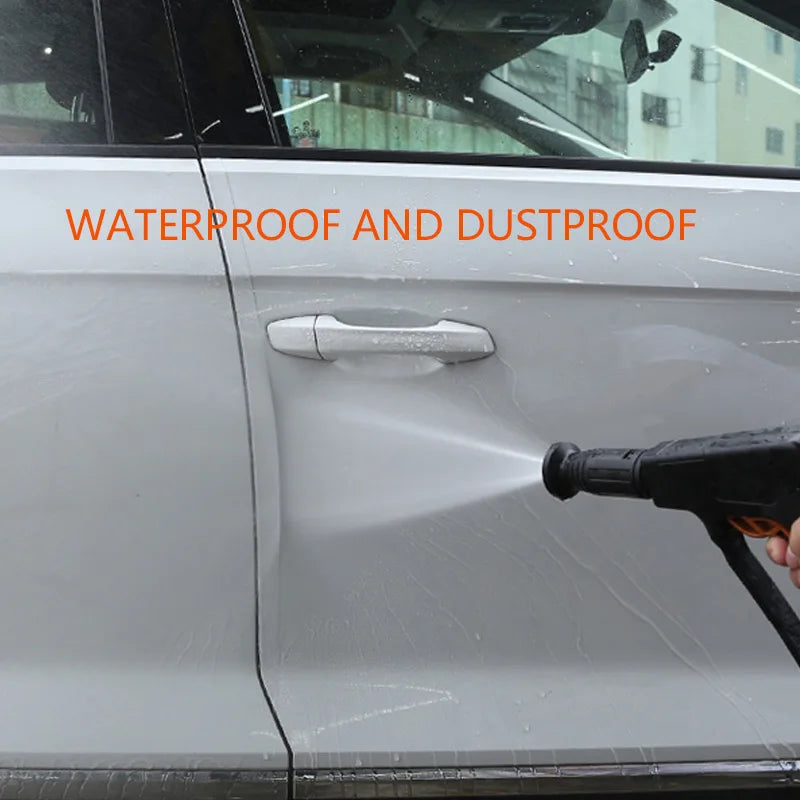
No. Transparent door edge film and PVC handle guards are optically clear and sit flush with the paint surface. They are invisible on any color including black, white, silver, and metallic finishes. The silicone bowl guards match the recess they sit in and do not alter the visual profile of the handle area.
Do I need to remove existing scratches before applying protectors?
For a new car, no — the surface should be scratch-free. For a car with existing light surface scratches, clean the area thoroughly and apply as normal. The film will cover minor scratches and prevent them from worsening. Deep scratches or chips should be addressed with touch-up paint first before applying any film.
How do I apply car door scratch protector film without bubbles?
Clean the surface with isopropyl alcohol first and ensure it is completely dry. Peel the backing and apply from one end, pressing slowly and firmly from the center outward as you go. Small bubbles near the edges usually work themselves out within 48 hours in warm conditions. Larger bubbles indicate residue was present — lift the film, re-clean, and reapply.
Which zones on a car door scratch the most on a daily basis?
In order of frequency: the door handle bowl (scratched by rings and nails every time the door is opened), the painted area around the handle (key misses and fingernail contact), the door edge (parking lot and door-to-door contact), and the mirror housing base (close-quarters maneuvering). These four zones account for the vast majority of daily door paint damage on any car.